How Much Does a 24-Hour Electrician Cost in Pittsburgh?
24-hour electrician service cost in Pittsburgh depends on the fault, access, parts, safety risk, and urgency of the work; Electrician Pittsburgh reviews the issue and provides a free estimate based on the required service.
Get a Free Estimate
What Determines a 24-Hour Electrician Cost in Pittsburgh?
A 24-hour electrician cost in Pittsburgh is determined by the fault, the work needed to make the system safe, access to the affected equipment, required parts, and the urgency of the call.
Emergency Electrician Service can involve simple fault location or more involved repair work. Our team begins with Electrical Troubleshooting to identify the source before we recommend Electrical Wiring Repair or another service.
Diagnostic complexity can increase when a fault is hidden behind finished surfaces or involves the electrical panel, a branch circuit, or service equipment. Access conditions, replacement parts, and electrical safety risks also shape the work required.
Which Emergency Electrical Services Can Change the Work Required?
Emergency electrical services can range from fault location to corrective work that protects people and property. Our team matches the service to the condition we find during the diagnostic assessment.
Electrical Troubleshooting helps locate a failed circuit, damaged connection, or power interruption. Electrical Safety Inspections can identify hazards that are not visible during a quick repair.
Electrical Code Corrections may be needed when existing work does not support safe operation. AFCI Protection Installation can address protection needs on suitable circuits, while Electrical Wiring Repair addresses damaged, loose, or exposed wiring.
What Goes Into an Emergency Electrical Quote?
An emergency electrical quote includes the diagnostic assessment, the repair scope, the access conditions, the parts, and the safety work needed for the specific fault. We explain the recommended work before moving ahead.
| Factor | Why it changes the cost | What to prepare |
|---|---|---|
| Electrical Troubleshooting | Hidden or intermittent faults require more testing and fault location. | Describe when the issue occurs and which circuits are affected. |
| Electrical Safety Inspections | Safety testing can reveal related hazards beyond the original symptom. | Share concerns about heat, odor, damaged covers, or past faults. |
| Electrical Code Corrections | Corrective work may require changes to existing equipment or wiring. | Tell us about recent remodeling or electrical changes. |
| AFCI Protection Installation | The circuit design and panel condition affect the installation scope. | Provide access to the electrical panel and affected rooms. |
| Electrical Wiring Repair | Damage location, wiring condition, and access affect the repair. | Keep the area clear and share photos when safe. |
Why Can an After-Hours Electrical Fault Need More Assessment?
An after-hours electrical fault can require more assessment when the cause is hidden, the circuit is unsafe, or the affected equipment needs testing before repair.
An urgent electrical fault may involve an electrical hazard in a circuit, service equipment, or storm-damaged wiring. Exposed wiring and signs of heat can make isolation and safety testing necessary before repair.
Our crew checks the affected equipment, traces the fault, and separates immediate safety work from additional repairs. This process helps us prepare an emergency electrical quote that reflects the actual condition.
How Can You Reduce Unnecessary Emergency Electrical Work?
Safe preparation can reduce avoidable damage, but you should not investigate an energized fault yourself. Use these steps only when you can do so without contact with damaged equipment.
Call Electrician Pittsburgh when the fault involves exposed wiring, repeated breaker trips, smoke, heat, or water near electrical equipment.
How Should You Prepare for an Accurate Electrical Quote?
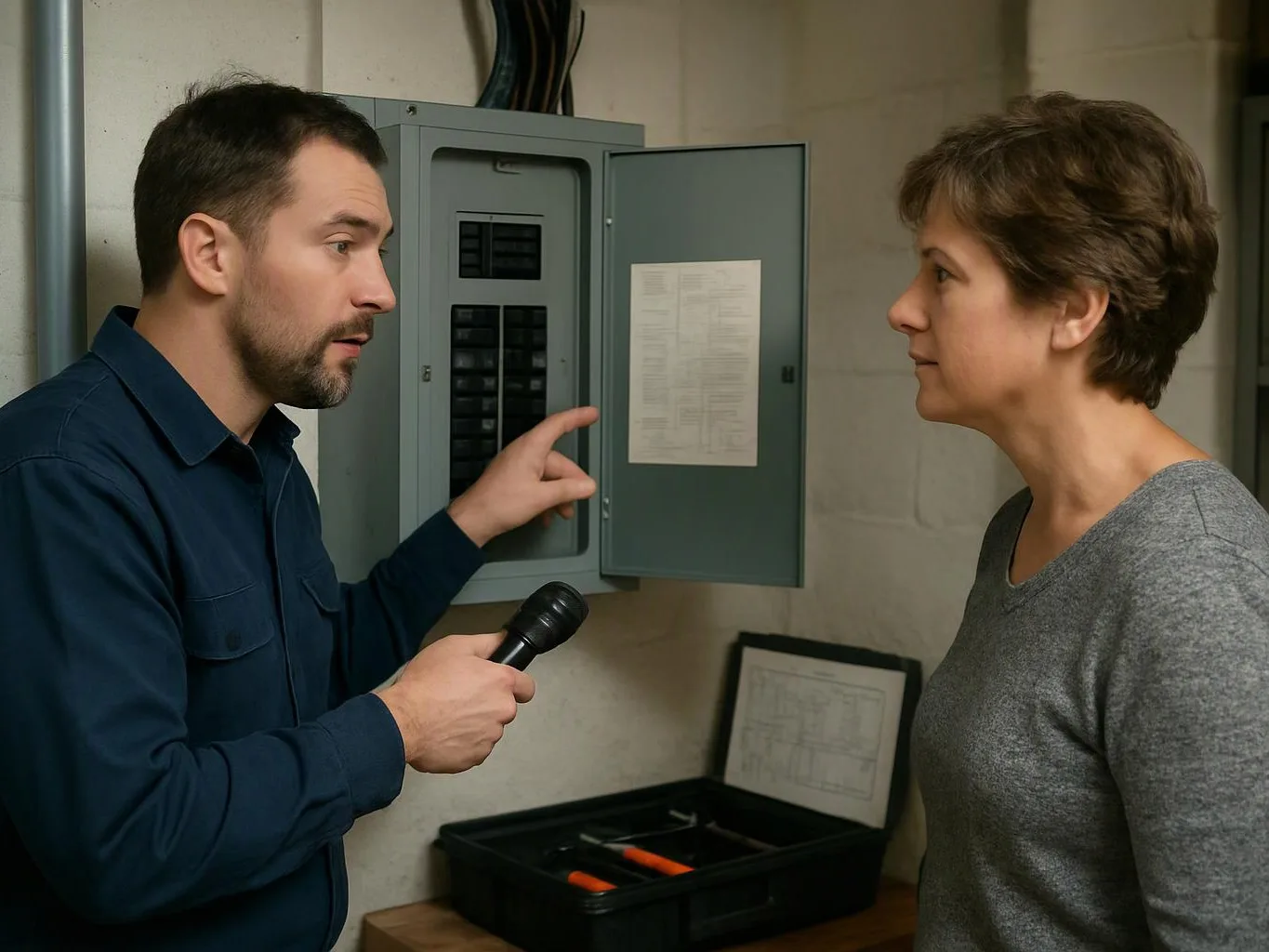
An accurate electrical quote starts with clear information about the property, the symptoms, and the affected equipment. Our team uses those details to plan the diagnostic assessment.
How Electrician Pittsburgh Provides a Clear Emergency Electrical Estimate
Electrician Pittsburgh provides a clear emergency electrical estimate by connecting the reported symptom to the work we find on site. Our team explains the scope before repair work begins.
Our free estimates are based on the required service and the conditions found during the assessment. Request an exact quote through our contact page.
What Pittsburgh Conditions Can Affect Urgent Electrical Work?
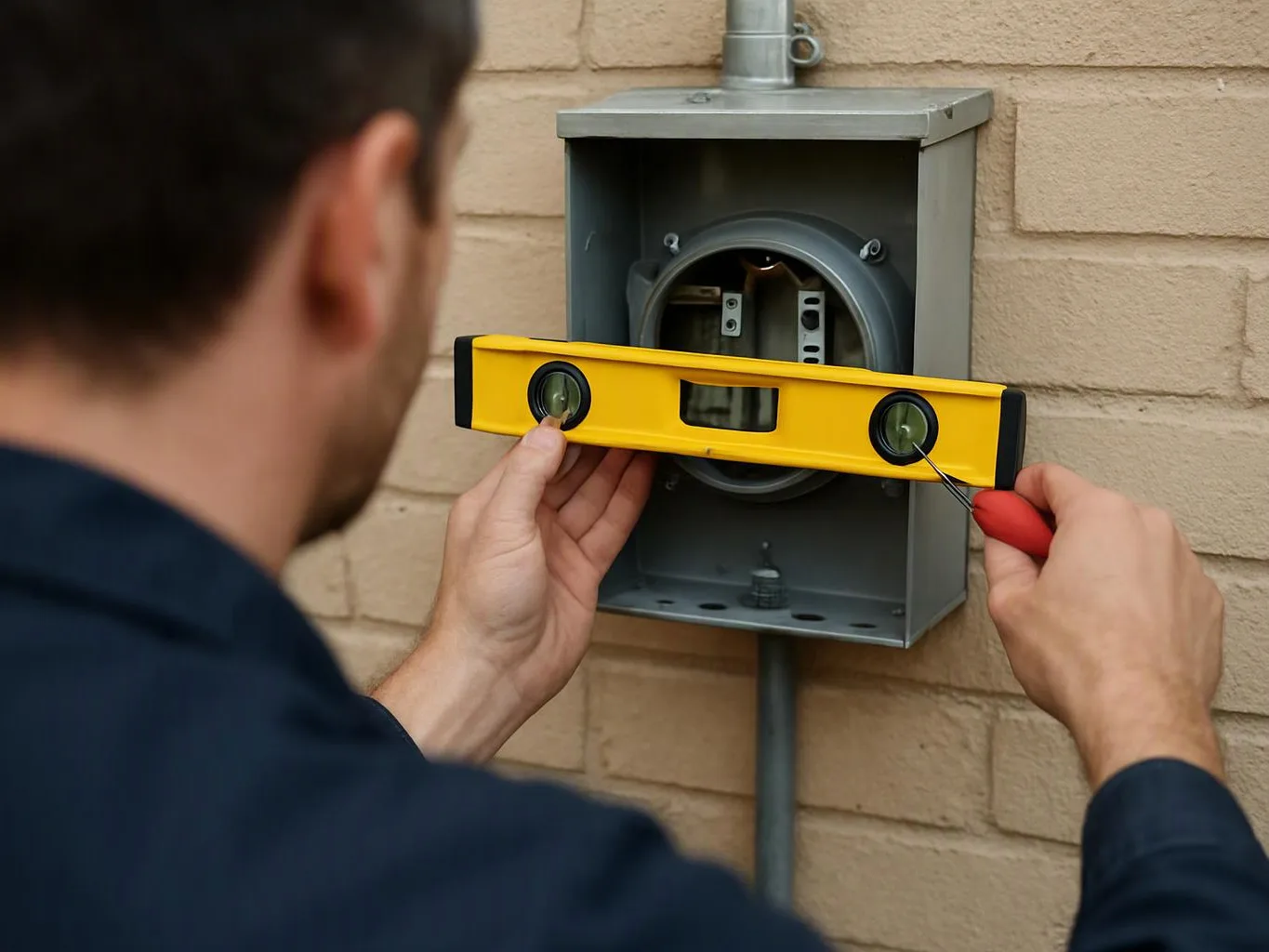
Weather conditions in Pittsburgh and Allegheny County can affect exposed electrical equipment and increase the need for urgent diagnosis. Seasonal freezing, snow, and ice can contribute to faults at exposed service-entry equipment.
Seasonal thunderstorms and strong winds can contribute to power interruptions, surge-related damage, and electrical safety corrections. We inspect the service equipment and affected wiring before deciding whether repair or replacement work is needed.
When Should You Request Emergency Electrical Troubleshooting?
Request Emergency Electrician Service when a burning odor, sparking, repeated breaker trips, power interruption, or exposed wiring creates a possible electrical hazard.
Stop using the affected equipment when continued operation could worsen the fault. Our team can assess the circuit, electrical panel, wiring, or service equipment and explain the next safe step.
Contact us for an emergency electrical service call when the cause is unclear or the fault returns after a breaker reset. We use the reported symptoms and our diagnostic assessment to prepare a free estimate.
Questions About 24-Hour Electrician Costs
Does an emergency electrician charge a call-out or diagnostic fee?
Electrician Pittsburgh explains the emergency electrical quote before work begins, including the diagnostic assessment and the required repair scope.
What should I tell Electrician Pittsburgh before requesting emergency electrical troubleshooting?
Provide the service address, electrical symptoms, breaker activity, recent electrical changes, equipment access details, and safe photos.
Can a tripped breaker indicate a larger electrical problem?
Yes, a tripped breaker can indicate an overloaded circuit, damaged wiring, a faulty device, or another electrical fault.
Request a free estimate from Electrician Pittsburgh when you need help locating an urgent fault or planning the required repair.
Get a Free Estimate