What does an electrical safety inspection check?
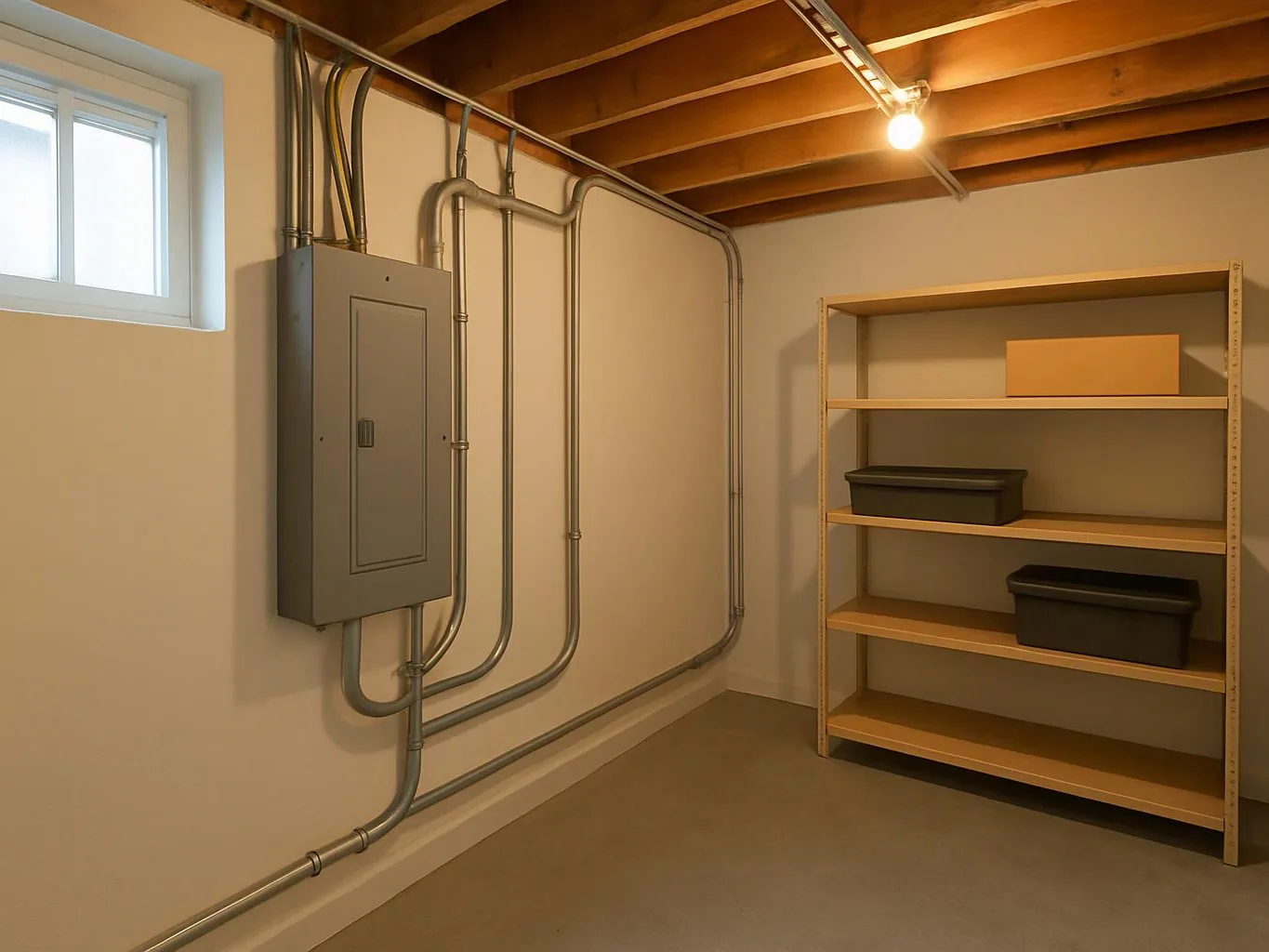
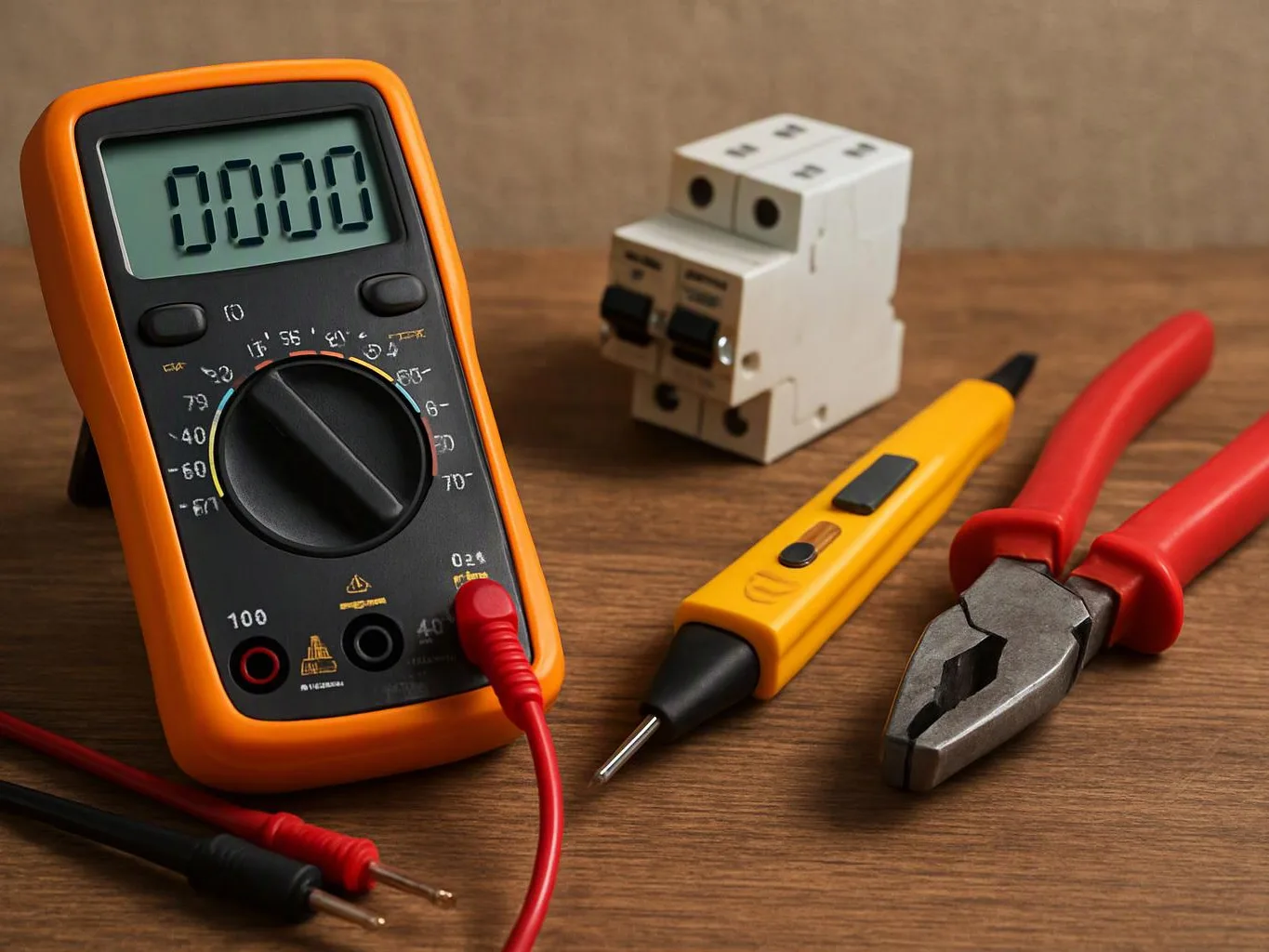
Wiring condition is the first focus, followed by panels, outlets, grounding, circuit protection, and smoke alarms. Electrician Pittsburgh checks accessible parts, traces circuits when needed, and explains findings. The inspection helps customers choose between a focused repair, added protection, or a larger upgrade. It does not replace repair work when a fault needs correction.
Which material changes how long the inspection takes?
Aluminum wiring can add review needs because connections and remediation options require closer attention. Copper wiring, mixed wiring, inaccessible runs, and unclear circuit labels also affect the work. Our team checks accessible sections and explains when concealed wiring needs separate access or repair planning. No inspection duration is promised before the property scope is known.
How does an inspection visit move from the first call to the last step?
The visit moves from symptom review to system checks, testing, findings, and repair planning. We discuss the reported issue, inspect the panel and accessible wiring, test outlets and protection, then explain the result. Customers receive upfront explanations before choosing related work. Circuit tracing is used when the affected path is unclear.
Why do breakers keep tripping after I reset them?
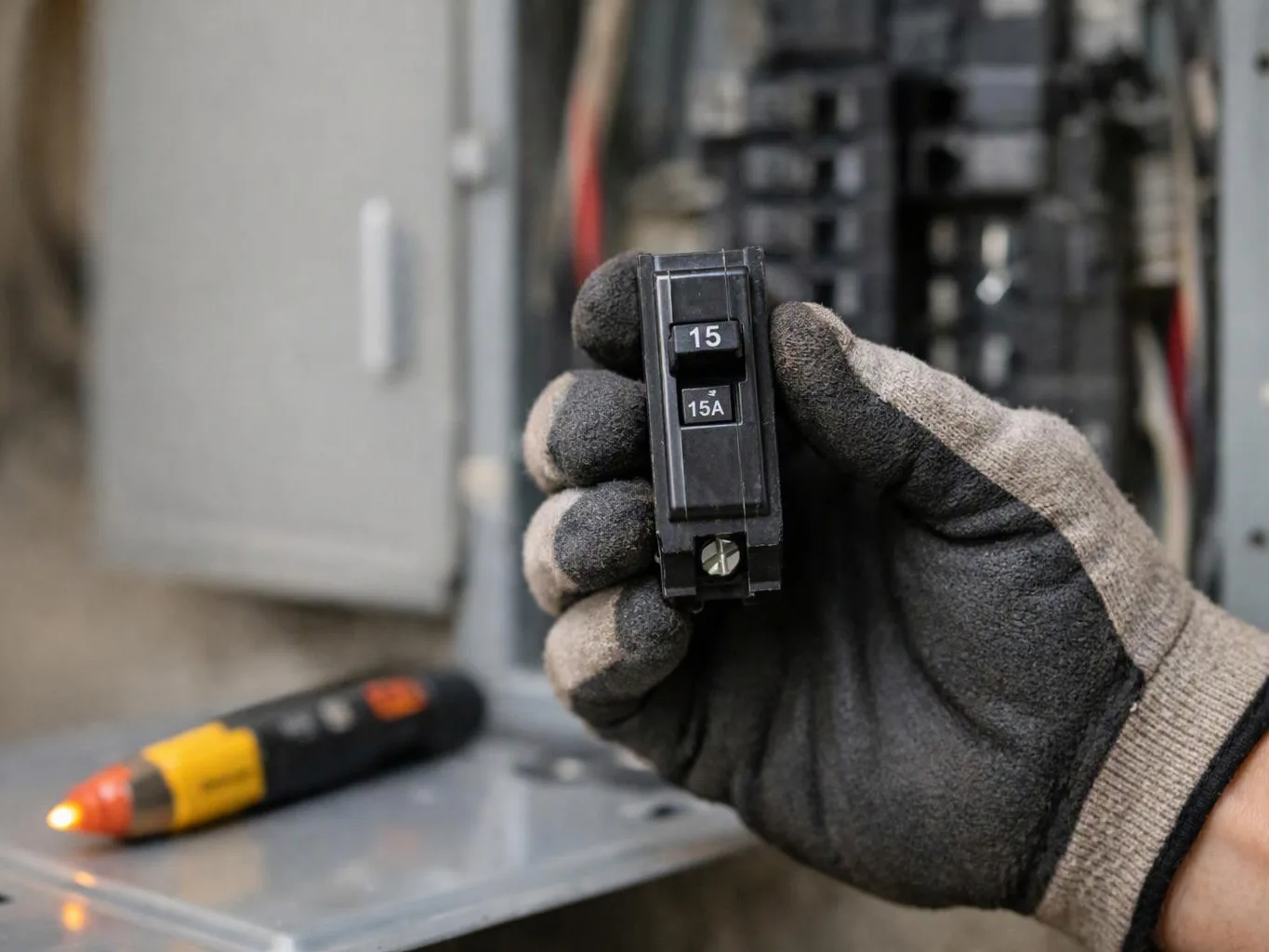
Repeated trips often show an overloaded circuit, a fault, or a problem with connected equipment. Resetting the breaker again does not identify the cause. Turn off equipment on that circuit and avoid opening the panel. We inspect the breaker, circuit path, outlets, and wiring to decide whether repair or added capacity is needed.
What makes an electrical safety inspection fit a property?
An electrical safety inspection fits a property when the owner needs a system-wide review before repairs, upgrades, a sale, or renovation. The service suits homes, rental properties, businesses, and commercial spaces. A single broken outlet may need a direct repair, while repeated symptoms or planned load changes support a broader inspection.
Can an inspection identify an outlet grounding problem?
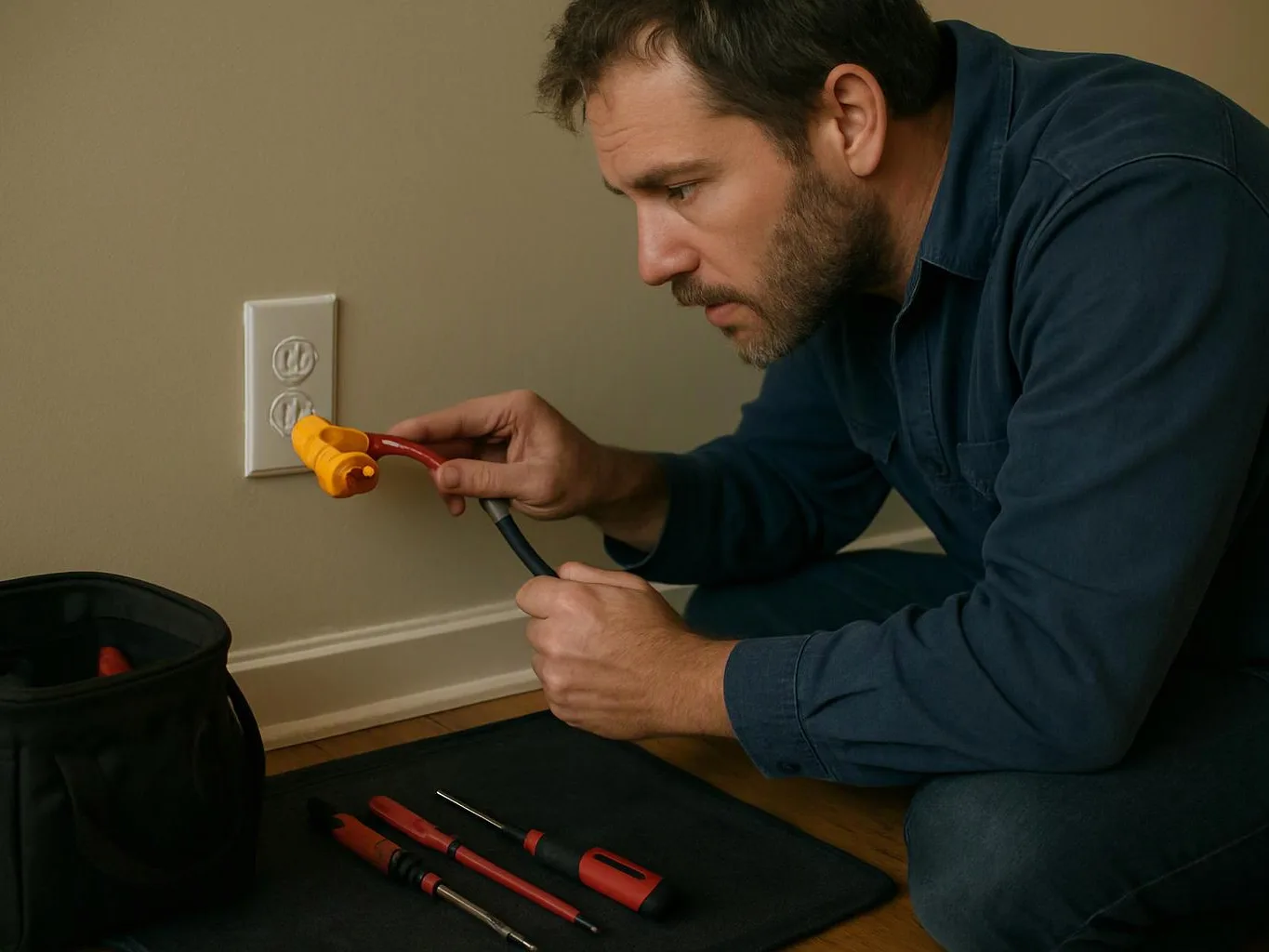
Outlet testing can identify missing grounding, reversed connections, dead outlets, and other accessible faults. We test the outlet, review its circuit, and check related protection. Two-prong ungrounded outlets can require a wider correction plan, especially when upgrades or new equipment are planned. We explain the repair choices after testing.
What information should I provide before the inspection?
A list of symptoms, affected rooms, recent electrical changes, and breaker behavior helps us prepare for the visit. Photos of visible damage can also help, but customers should not remove covers or open panels. Mention sparks, burning smells, buzzing, warm plates, or smoke alarms that fail to work. Those details guide safe access and testing.