What electrical hazards can an inspection find?
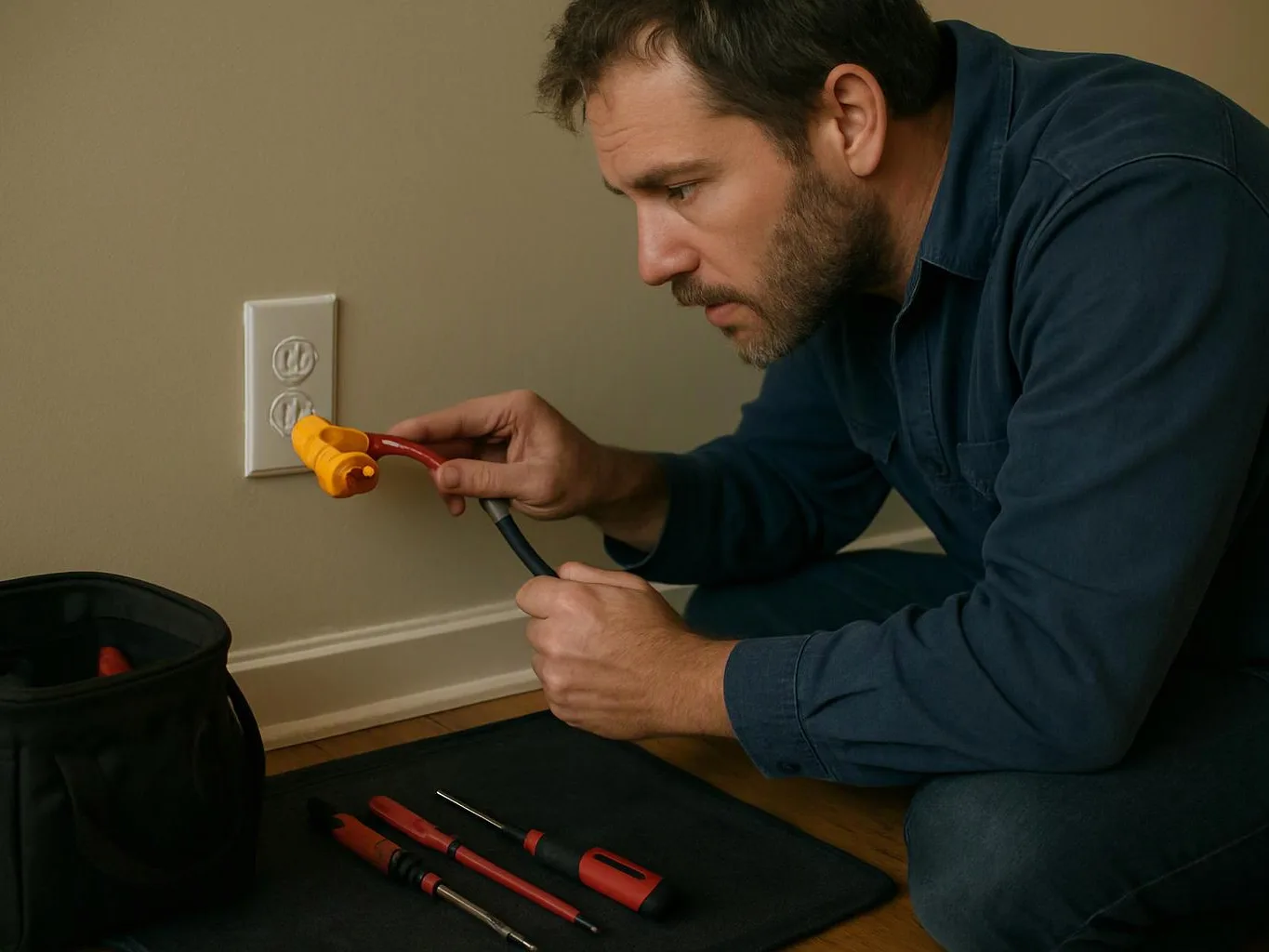
Exposed conductors can reveal damaged insulation, contact risks, loose connections, and unsafe wiring paths. We inspect the related circuit, panel connections, outlets, grounding, and signs of heat or arcing. The findings show whether the next step is isolation, repair, replacement, or a broader system review.
Which material changes how long the inspection takes?
Aluminum wiring can require closer review because connections and conductor condition affect the inspection path. We check accessible wiring, terminals, devices, and signs of heat or loose contact. The property layout, panel access, and number of affected circuits also shape the work needed.
How does a safety inspection move from the first call to the last step?
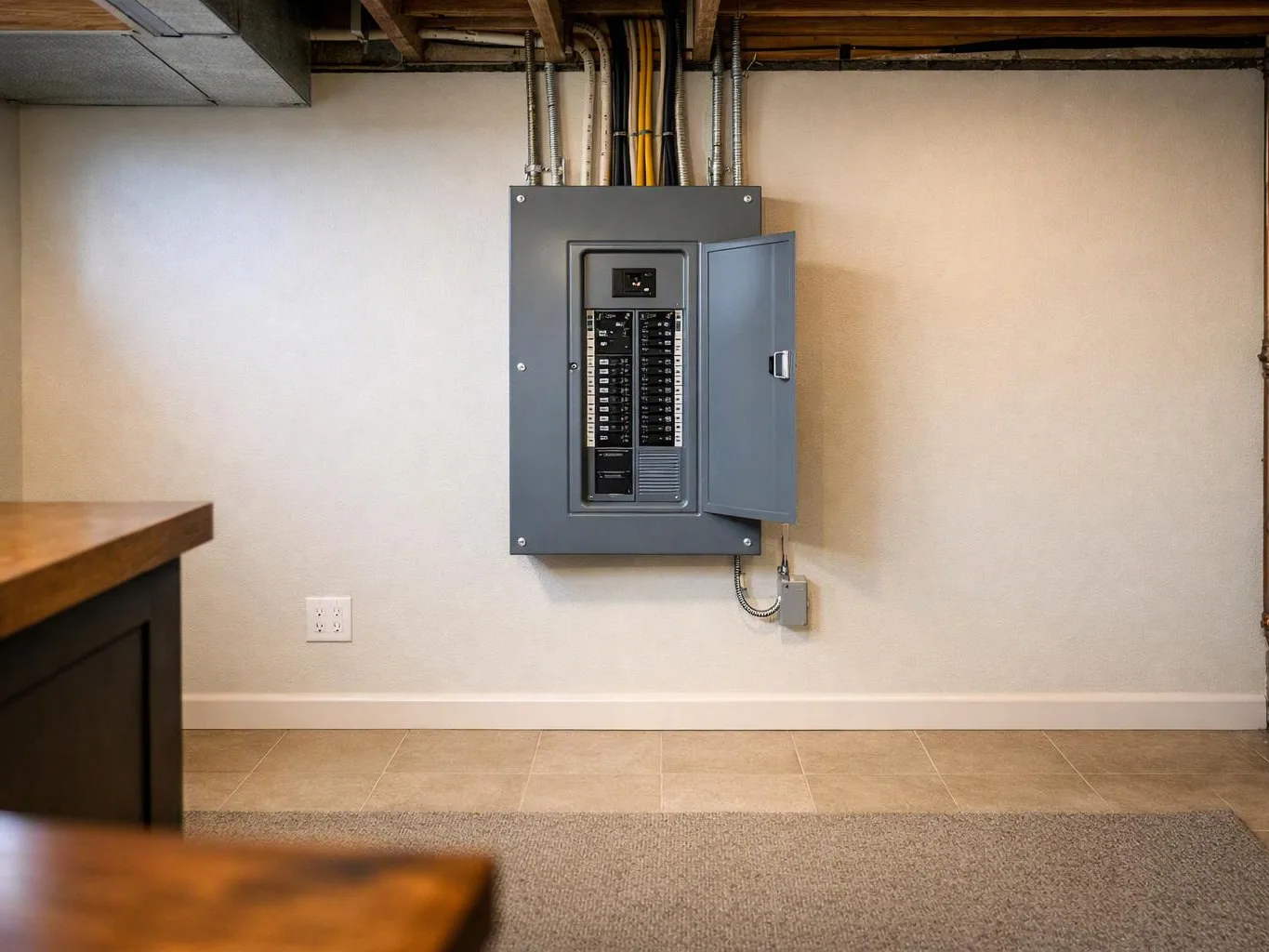
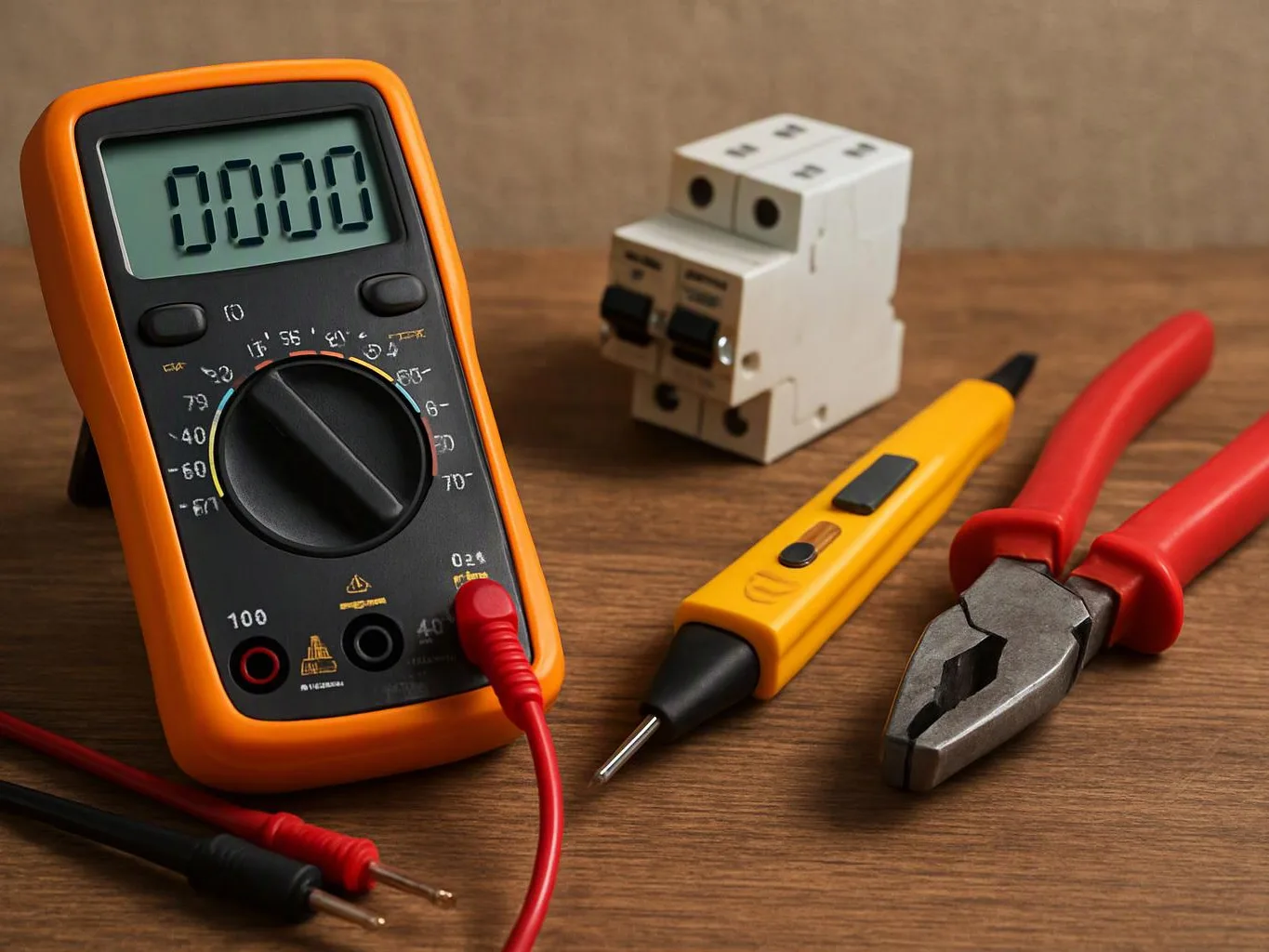
The visit moves from symptom review to visual inspection, circuit tracing, testing, and a written explanation of next work. We first record the concern and affected area. Then we inspect the panel and devices, verify safety conditions, and separate urgent repairs from planned improvements.
How can a customer tell whether this inspection fits the property?
The inspection fits a property with warning signs, planned changes, unclear wiring, or safety questions before a sale or lease. Homes, businesses, rental properties, and renovation projects can all need this review. Active smoke, fire, or live sparking calls for urgent electrical service before a planned inspection.
Why does a breaker keep tripping after it resets?
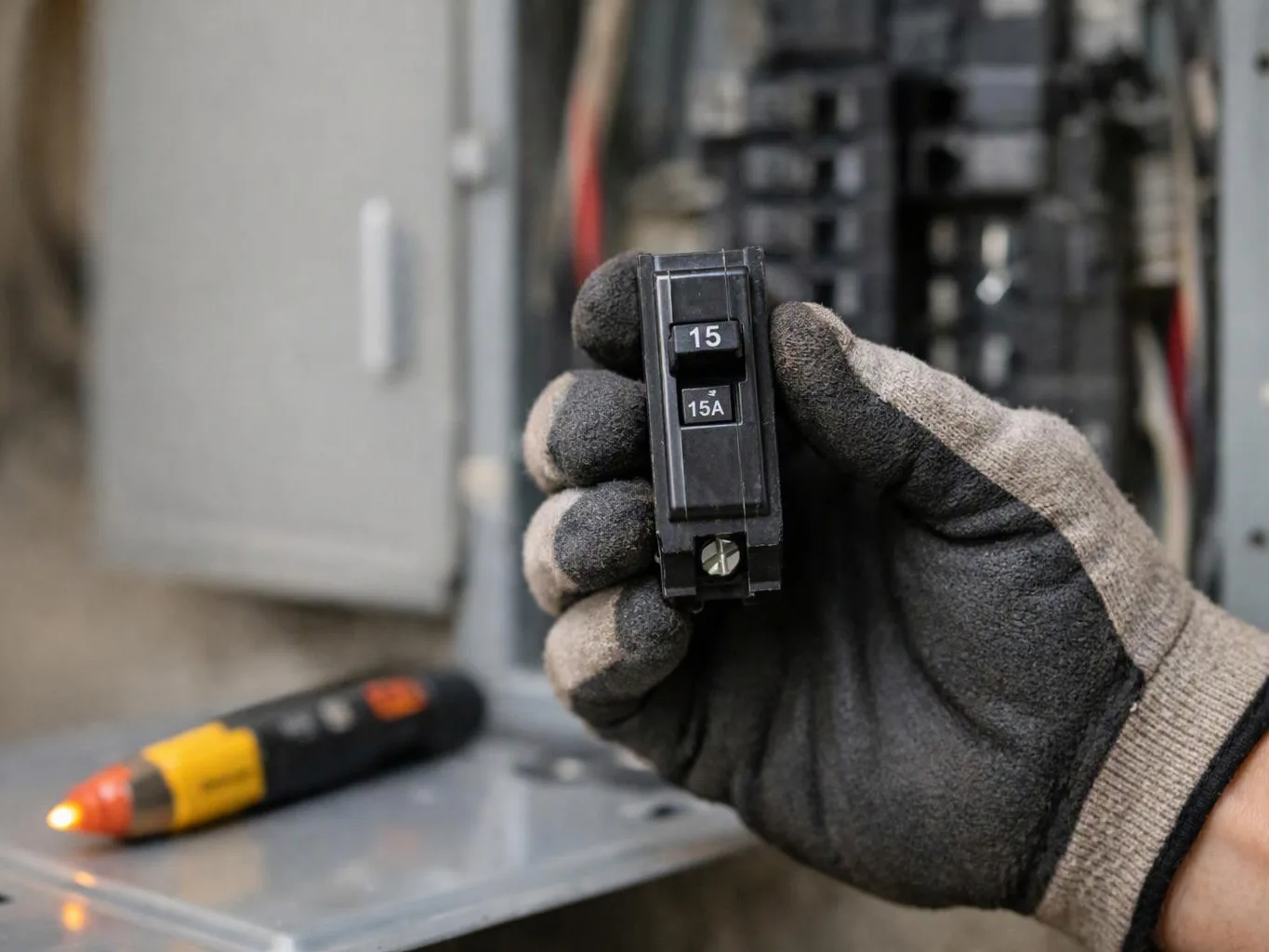
A repeated trip can point to an overloaded circuit, short, loose connection, damaged wiring, or a failing device. Stop resetting the breaker if it trips again or the panel feels warm. We trace the circuit, inspect connected outlets and equipment, and identify the condition that needs repair.
What should I provide before the inspection starts?
Property access, the affected rooms, recent electrical changes, and the exact warning sign help us begin with the right scope. Photos can help explain visible damage, but they don't replace testing. Keep the panel and affected outlets accessible, and list equipment that was running when the issue appeared.
When does an inspection lead to a panel upgrade?
A panel upgrade becomes a consideration when the existing equipment cannot safely support the load or shows damage that repair cannot address. We inspect breaker space, connections, circuit demand, and service conditions first. The decision also depends on planned equipment such as EV charging or a generator.