
What is Electrical Tape?
Electrical Tape is an insulating adhesive tape designed to cover, protect, bundle, or identify electrical wires and cable components. Most types use vinyl backing because vinyl resists moisture, abrasion, and moderate heat. Electrical tape supports electrical work. But it doesn't replace proper wire connectors, cable insulation, junction boxes, or circuit protection.
Quick Facts About Electrical Tape
Category
Electrical insulating tape
Used for
Insulation, protection, bundling, and wire identification
Common confusion
Duct tape is not a substitute for electrical tape
Also called
Insulating tape, Vinyl electrical tape
Often discussed with
Electrical Troubleshooting, Electrical Code Corrections
Key Takeaways About Electrical Tape
- Electrical tape adds insulation and protection to properly prepared wires and cable surfaces.
- Vinyl electrical tape is common because it resists moisture, abrasion, and moderate heat.
- Tape should not substitute for wire nuts, terminals, junction boxes, or damaged cable replacement.
- Choose tape for its voltage rating, temperature range, backing material, and listed use.
- A loose, overheated, or damaged connection needs diagnosis rather than tape alone.
Understanding Electrical Tape
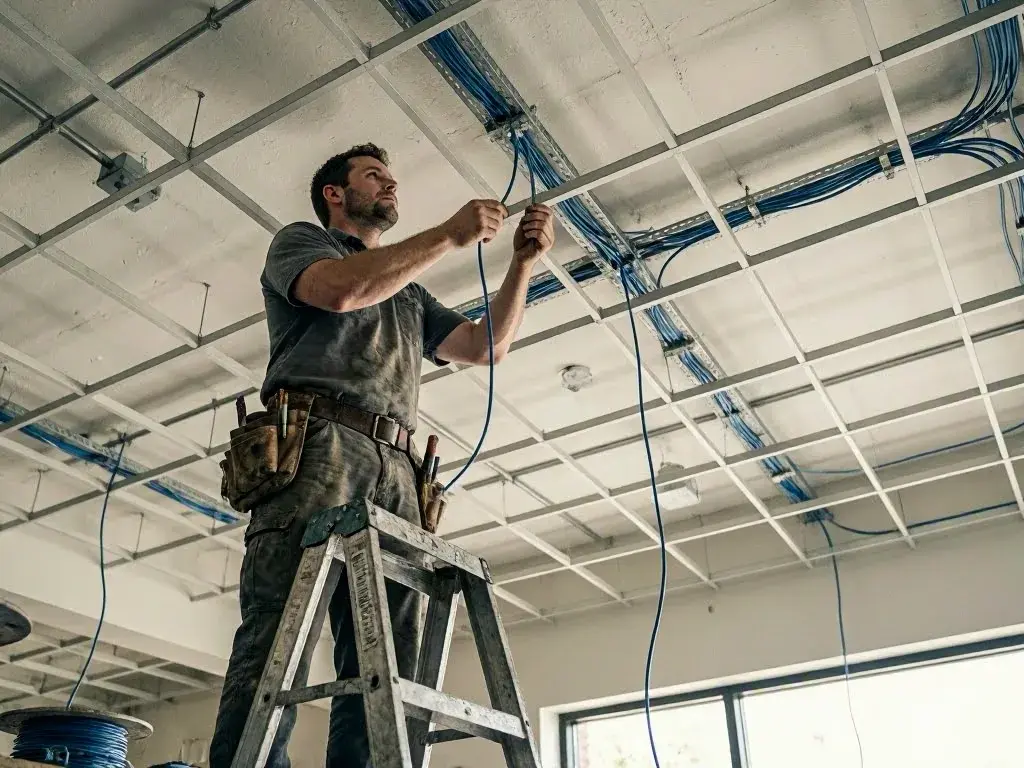
Electrical Tape is a pressure-sensitive tape. It's made to insulate and protect electrical conductors and cable parts. Its backing may be vinyl, rubber, cloth, or another material. Its adhesive helps the tape stay in place. Vinyl tape is common in residential work. It handles moisture, abrasion, and moderate heat better than many general-purpose tapes.
Related glossary terms: Insulation Resistance, Junction Box, Overcurrent Protection.
The tape provides a protective layer around an already sound wire or connection. It can cover a small area of intact insulation. It can mark a conductor or protect a cable jacket from rubbing against an edge. It can't restore a conductor that's badly cut, overheated, loose, or exposed to fault current. A proper repair may require a listed connector, a junction box, or replacement of the damaged cable.
How Electrical Tape Works, Is Measured, or Is Used?
Electrical Tape works by placing an insulating backing between a conductor and nearby people, conductors, or grounded surfaces. The tape's electrical rating, thickness, temperature range, adhesive strength, and moisture resistance affect its speed. A label may identify a product as vinyl electrical tape, rubber insulating tape, or high-temperature tape. Each type has a different suitable use.
Apply tape only after turning off and verifying the circuit. Clean the surface and correct the underlying problem. Wrap the tape with firm, even tension. Overlap each turn so no conductor or sharp edge remains exposed. Follow the product instructions because excessive stretching can reduce thickness. Poor overlap can allow moisture or movement to reach the conductor.
Electrical tape is not measured by one universal number. Important specifications include backing thickness, dielectric strength, temperature rating, voltage rating, and listing or certification. A product marked for a specific electrical application is a better choice. Don't select tape only by color or price. The tape must also match the cable jacket and the environment. Examples include a damp location, outdoor raceway, or hot equipment enclosure.
Why Electrical Tape Matters?
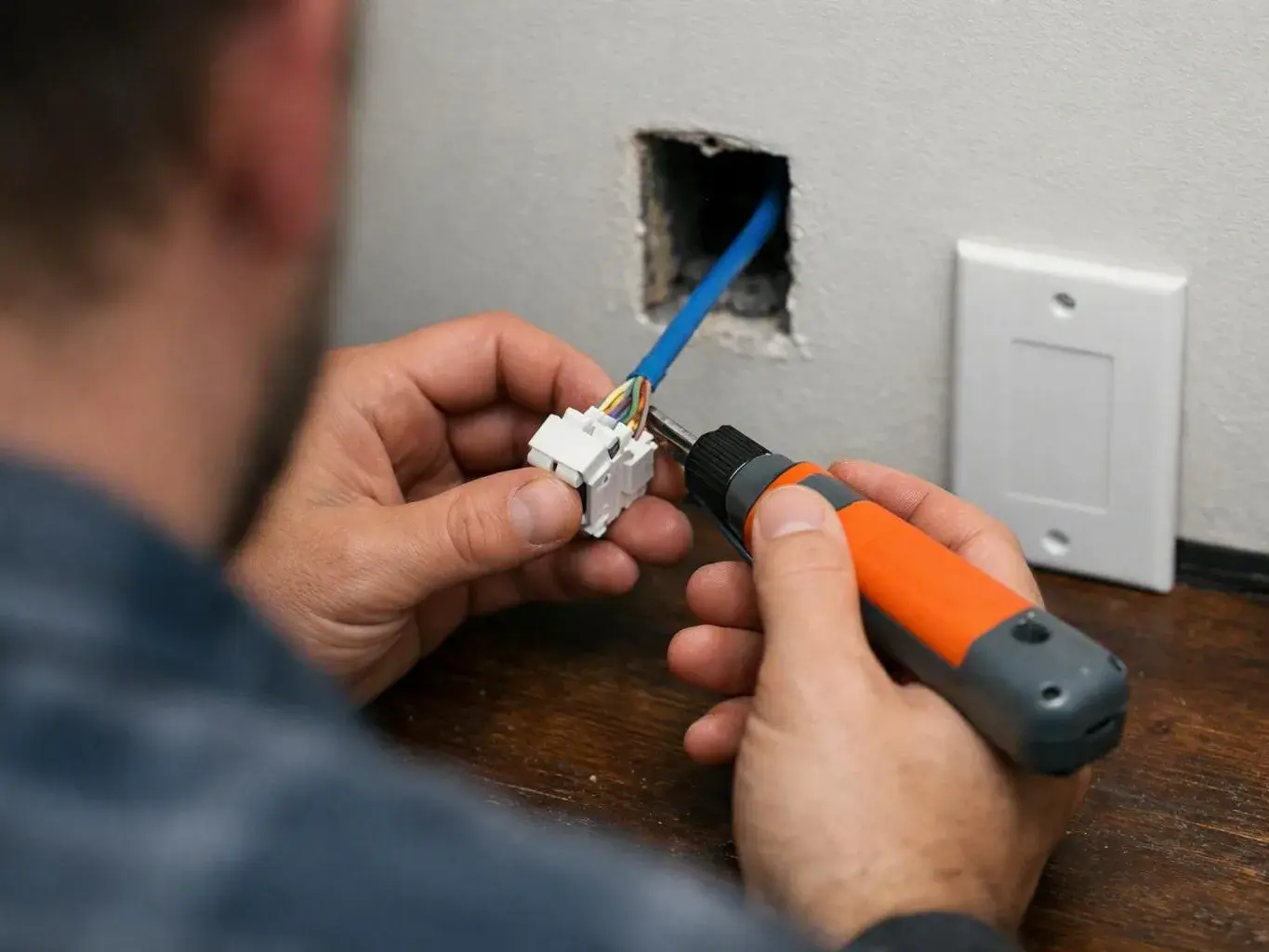
Electrical Tape helps maintain separation between energized conductors and surrounding surfaces. That separation lowers the chance of accidental contact, short circuits, abrasion, and moisture intrusion. The tape must be used on suitable materials. Color can also help identify conductors during installation, maintenance, or troubleshooting. Identification must follow the applicable electrical rules.
Good tape work supports a reliable repair. Tape alone can't correct a weak terminal or overloaded circuit. Heat, arcing, chemical exposure, and repeated movement can damage the adhesive or backing over time. An electrician may inspect the conductor, terminal, junction box, and overcurrent protection. The electrician may then decide whether taping is appropriate.
When Electrical Tape Matters Most?
Electrical Tape becomes especially useful when intact insulation needs added mechanical protection. It can also help with temporary visual identification during work. It can protect a finished splice when the splice uses an approved connector. The splice must remain inside an approved enclosure. Tape isn't a license to leave a splice loose, buried, or outside a junction box.
Pay close attention to tape selection in damp areas, hot equipment, outdoor installations, and locations with vibration. Inspect for peeling edges, cracking, discoloration, soft adhesive, or a burned smell. If a breaker trips, a receptacle feels warm, or insulation shows melting, stop using the circuit. Arrange electrical troubleshooting rather than applying another layer of tape.
How to Evaluate Electrical Tape?
- Check the tape backing, thickness, voltage rating, and temperature range against the intended electrical application.
- Confirm that the product is listed or certified for electrical insulation and matches the cable material.
- Inspect the wire for heat damage, cuts, looseness, corrosion, or exposed copper before applying tape.
- Verify that every splice uses an approved connector and remains inside an accessible junction box.
- Look for peeling, cracking, discoloration, moisture entry, or adhesive failure after installation.
Related Concepts Compared
Electrical Tape vs. Heat-shrink Tubing
Heat-shrink tubing forms a fitted insulating sleeve after heating. Electrical tape wraps around a surface and is easier to remove, but it may provide less mechanical protection.
Electrical Tape vs. Duct Tape
Duct tape is intended for general repairs and does not provide the electrical insulation, temperature speed, or product markings required for electrical work.
Electrical Tape vs. Wire Connector
A wire connector joins and secures conductors in an approved manner. Electrical tape may add protection, but it does not replace the connector.
Electrical Tape vs. Rubber Insulating Tape
Rubber insulating tape is a specialized electrical tape that may stretch and conform around irregular shapes. Its application method and rating differ from common vinyl tape.
Expert Note
Tape can hide evidence of overheating, loose terminals, or a failed splice. Before wrapping anything, inspect the conductor and connection, verify the circuit is de-energized, and confirm that the repair will remain inside the required enclosure.
Common Mistakes or Myths About Electrical Tape
- Using duct tape, masking tape, or packing tape on electrical conductors.
- Wrapping tape over a loose connection instead of correcting the connection.
- Applying tape to insulation that is hot, wet, oily, or badly damaged.
- Leaving a taped splice outside an approved junction box.
- Ignoring a tripped breaker, burning odor, or discolored insulation.
Electrical Tape in Practice: A Real-World Example
A technician finds a small nick in the outer jacket of an otherwise intact low-voltage cable inside a dry enclosure. After confirming that the conductors and terminations are undamaged. The technician applies listed electrical tape for added jacket protection. A melted conductor or loose splice would require a different repair.
Sources & Further Reading on Electrical Tape
- 3M Electrical Markets and Products
Related Terms
Insulation Resistance
Insulation Resistance is the opposition that electrical insulation presents to unwanted current flow between conductors or…
Junction Box
Junction Box is an approved enclosure that protects electrical wire connections, cable splices, and branch-circuit junctions…
Overcurrent Protection
Overcurrent Protection is a safety method that limits electrical current when a circuit carries more amperage…
Short Circuit
Short Circuit is an unintended connection between conductors that creates a low-resistance path for electric current…
Electrician Pittsburgh
Have Questions About Electrical Tape?
Contact Electrician Pittsburgh for practical guidance on Electrical Tape and related 24 hour electrician work in Pittsburgh.