
What is Overcurrent Protection?
Overcurrent Protection is a safety method that limits electrical current when a circuit carries more amperage than its wiring or equipment can safely handle. Circuit breakers and fuses provide this protection by opening the circuit during overloads or short circuits, reducing the risk of damaged conductors, fire, and equipment failure.
Quick Facts About Overcurrent Protection
Category
Electrical safety and circuit protection
Measured by
Amperes and interrupting rating
Used for
Overloads and short-circuit protection
Common confusion
Not the same as surge protection
Also called
OCP, Overcurrent Protection Device
Often discussed with
Electrical Troubleshooting, Electrical Code Corrections
Key Takeaways About Overcurrent Protection
- Overcurrent protection guards circuit conductors against overloads and short circuits.
- Circuit breakers can usually be reset, while fuses must be replaced after operation.
- Protection ratings must match conductor ampacity and the connected electrical load.
- A tripped breaker may signal a faulty appliance, overloaded circuit, or wiring problem.
Understanding Overcurrent Protection
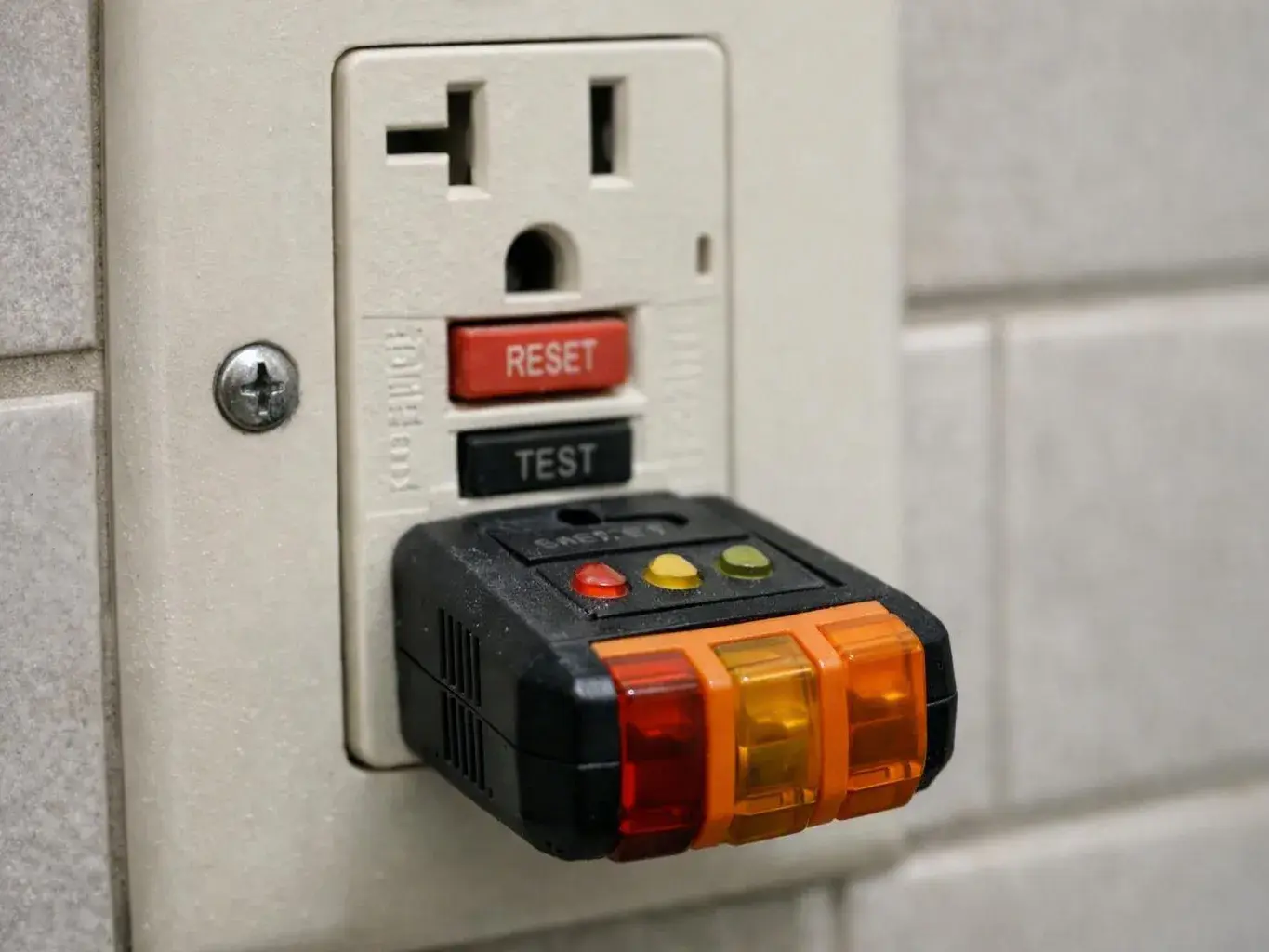
Overcurrent Protection stops current from exceeding a safe level. A circuit carries current through conductors, devices, and equipment. If current rises too high, heat builds in the wiring. This heat can damage insulation, terminals, or connected equipment.
Related glossary terms: Circuit Breaker, Fuse Box, Load Calculation.
Circuit breakers and fuses provide the most common protection. A breaker opens its contacts during an overload or short circuit. It does this when the fault reaches its operating range. A fuse contains a metal element that melts during excess current. Neither device corrects every electrical hazard. Ground-fault protection and arc-fault protection may also be required. These devices address other types of risk.
How Overcurrent Protection Works, Is Measured, or Is Used?
The protection device is rated in amperes, which measure current. The rating must match the circuit conductors' ampacity and expected load. For example, a 20-amp breaker may protect wire rated for only 15 amps. The wire could overheat before the breaker opens. The breaker rating can't increase a wire's safe capacity.
Overcurrent protection responds in two main ways. The thermal part of many breakers reacts to sustained overloads. These overloads can involve too many high-wattage appliances on one branch circuit. The magnetic part reacts quickly to a high-current short circuit. Electricians also check the device's interrupting rating. This rating shows how much fault current the device can safely stop. They also verify panel and conductor compatibility.
- Identify the circuit conductors and their allowable ampacity.
- Calculate or verify the expected continuous and noncontinuous load.
- Select a breaker or fuse that matches the circuit design.
- Check the panel rating, connection points, and available fault current.
Why Overcurrent Protection Matters?
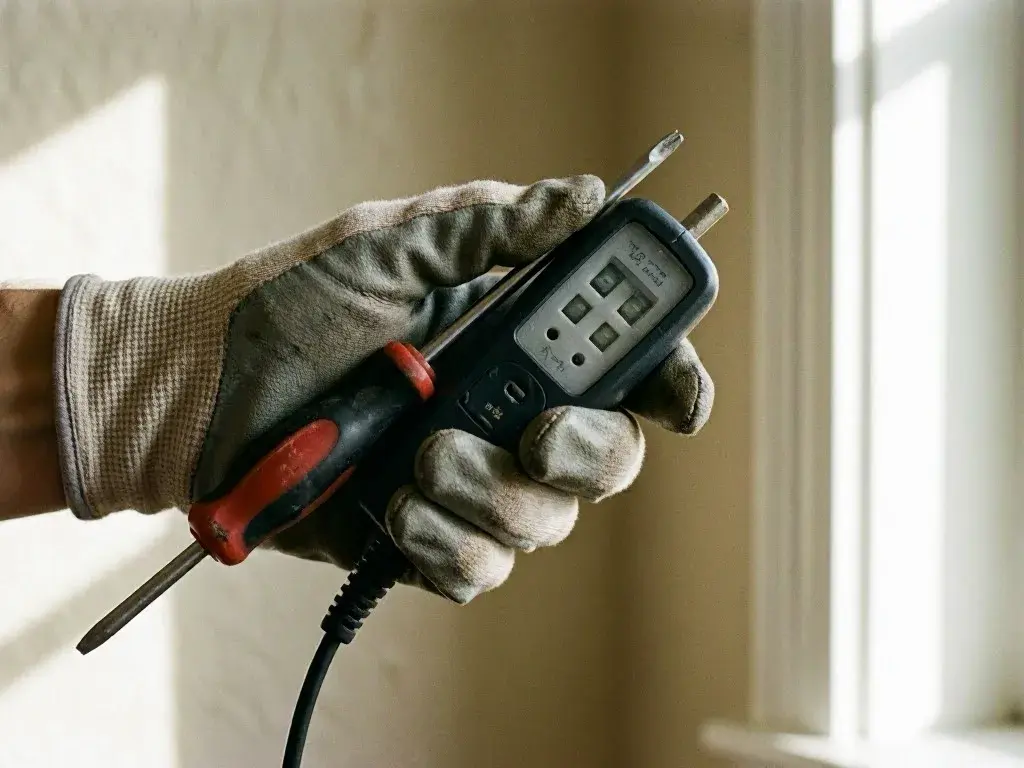
Proper protection limits the energy released during a fault. A short circuit can produce far more current than a normal appliance. This creates intense heat and mechanical force at the fault point. A correctly selected overcurrent device opens the circuit quickly. This helps prevent greater damage to conductors and equipment.
Protection also helps preserve the electrical system's design. A breaker that trips often provides useful evidence. Resetting it may restore power for a short time. Repeated trips can point to an overloaded circuit or failing appliance. They can also point to loose connections or damaged wiring. Replacing the breaker with a larger one can create a serious fire hazard. This can happen without checking the circuit.
When Overcurrent Protection Matters Most?
Overcurrent protection deserves close review during a panel replacement or room addition. It also matters during equipment installation or a service upgrade. New loads can change the circuit demand. Examples include electric vehicle chargers, heat pumps, hot tubs, and workshop tools. A load calculation helps determine whether the existing service can support that demand. It also checks whether branch circuits can support it safely.
Warning signs include warm breakers, discolored outlets, buzzing equipment, and repeated trips. Other signs include blown fuses and an odor from overheated insulation. An inspection should check for mixed wire sizes and loose terminations. It should also check damaged panel parts and mismatched protective devices. These devices must match the conductors. In Pittsburgh, older homes may contain fuse boxes or altered wiring. These systems need careful review before new equipment is added.
How to Evaluate Overcurrent Protection?
- Does each breaker or fuse rating match the circuit conductor ampacity?
- Is the device interrupting rating suitable for the available fault current?
- Do repeated trips occur under a known load or without an obvious cause?
- Are breakers, fuses, terminals, and conductors free from heat damage or discoloration?
- Does the planned equipment load fit the service and branch-circuit load calculation?
Related Concepts Compared
Overcurrent Protection vs. Circuit Breaker
A circuit breaker is a resettable device that provides overcurrent protection. Overcurrent protection is the broader safety function, which can also use fuses and other protective devices.
Overcurrent Protection vs. Surge Protector
A surge protector limits brief voltage spikes from events such as switching or lightning. Overcurrent protection responds to excessive current caused by overloads and short circuits.
Overcurrent Protection vs. Ground Fault Circuit Interrupter
A ground fault circuit interrupter monitors current leaving and returning through a circuit. It opens the circuit when it detects an imbalance that may indicate current flowing through an unintended path.
Overcurrent Protection vs. AFCI
An AFCI detects electrical arcing patterns that may start a fire. Overcurrent devices may not trip on every dangerous arc because the arc current can remain below the breaker rating.
Expert Note
A breaker that trips is reporting a condition, not proving that the breaker itself is defective. Test the load, connections, conductor size, and fault path before replacing it or increasing its rating.
Common Mistakes or Myths About Overcurrent Protection
- Installing a larger breaker to stop nuisance trips without checking the wire size.
- Assuming a breaker protects against every shock, arc, or voltage surge.
- Ignoring warm outlets, burning odors, buzzing, or repeated breaker trips.
- Replacing a blown fuse with a fuse that has a higher ampere rating.
- Adding major equipment without reviewing the service and circuit load.
Overcurrent Protection in Practice: A Real-World Example
A kitchen circuit has a 20-amp breaker and supplies a toaster oven, microwave, and coffee maker. Running the appliances together causes the breaker to trip because the combined load exceeds the circuit's safe operating range. Repeated trips should lead to load testing or circuit changes, not a larger breaker.
Sources & Further Reading on Overcurrent Protection
Related Terms
Circuit Breaker
Circuit Breaker is an automatic electrical switching device that stops current when a circuit draws too…
Fuse Box
Fuse Box is an electrical enclosure that holds fuses protecting branch circuits from excessive current. Each…
Load Calculation
Load Calculation is a method for determining how much electrical power a building, panel, or circuit…
Short Circuit
Short Circuit is an unintended connection between conductors that creates a low-resistance path for electric current…
Electrician Pittsburgh
Have Questions About Overcurrent Protection?
Contact Electrician Pittsburgh for practical guidance on Overcurrent Protection and related 24 hour electrician work in Pittsburgh.