
What is Short Circuit?
Short Circuit is an unintended connection between conductors that creates a low-resistance path for electric current. The path may bypass the normal load, causing current to rise sharply. Excess current can produce heat, sparks, equipment damage, fire, or electric shock. A fuse or circuit breaker should interrupt the fault quickly.
Quick Facts About Short Circuit
Category
Electrical fault
Formula
I = V ÷ Z
Measured by
Fault current and circuit impedance
Main risk
Overheating, arcing, fire, or shock
Common confusion
A short circuit is not the same as an overload
Also called
Electrical short, Short
Key Takeaways About Short Circuit
- A short circuit creates an unintended path with much lower resistance than the normal circuit.
- The resulting current surge can overheat conductors, damage equipment, and start an electrical fire.
- A circuit breaker or fuse limits damage by opening the circuit during excessive current.
- Do not repeatedly reset a tripped breaker before finding and correcting the fault.
- Short circuits differ from ground faults, which involve current flowing to ground or grounded metal.
Understanding Short Circuit
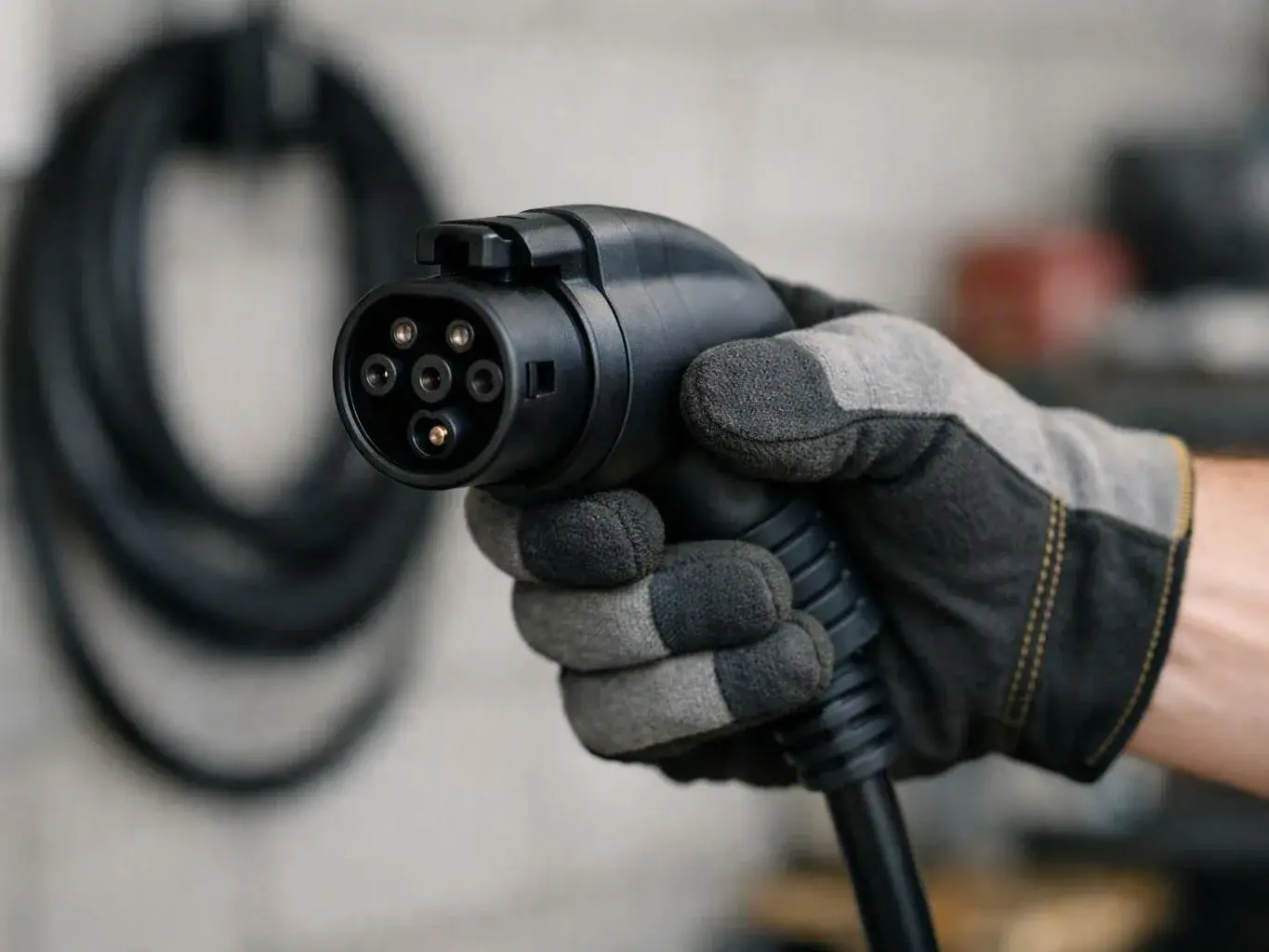
Short Circuit describes an unintended electrical connection between two points with different voltages. This path lets current bypass the intended load. The load could be a lamp, motor, or appliance. The sudden current increase can damage conductors and produce heat, sparks, or an arc.
Related glossary terms: Circuit Breaker, Overcurrent Protection, Ground Fault Circuit Interrupter.
Several conditions can create this fault. Damaged insulation may let a hot wire touch a neutral wire. Loose terminals may let conductors contact each other. Water or metal debris may bridge energized parts. A circuit breaker or fuse should open the circuit. Its operation depends on correct sizing, proper installation, and enough fault current.
How Short Circuit Works, Is Measured, or Is Used?
Electrical fault current follows Ohm’s law in a practical form, I = V ÷ Z. In this formula, I is current, V is voltage, and Z is total circuit impedance. Lower impedance produces higher fault current. For example, a fault on a 120-volt circuit with 0.24 ohms of total impedance could produce about 500 amperes. Protective devices should interrupt it before that happens.
Testing usually begins with a visual inspection and a review of the affected circuit. A technician may isolate equipment and check continuity with power removed. They may measure insulation resistance and inspect connections inside boxes and panels. Insulation resistance testing can reveal leakage through damaged insulation. A voltage or current measurement can show whether a fault remains. Live testing requires suitable training, rated instruments, and an established safety procedure.
Protective equipment must match the available fault current. The interrupting rating of a panelboardbreaker, or fuse must handle the prospective fault current. This rating applies at the device's location. Electrical design also considers conductor size, circuit length, and transformer impedance. It also considers the effectiveness of the fault-clearing path. These factors help protection work without leaving dangerous energy in the wiring.
Why Short Circuit Matters?
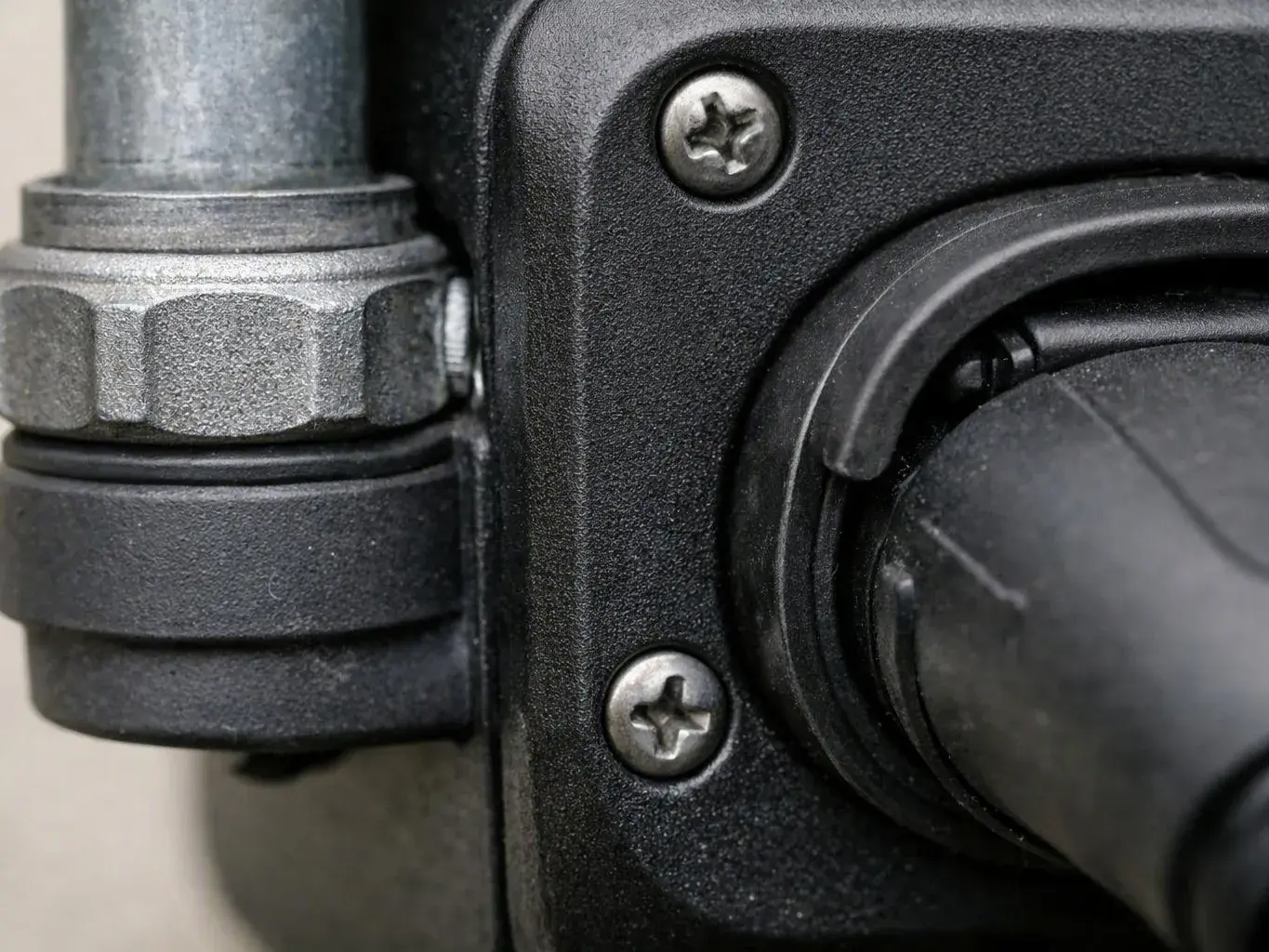
A short circuit can turn a small wiring defect into a serious event within seconds. Heat may soften insulation, damage terminals, or ignite nearby material. Arcing can also eject hot metal and create pressure. This risk is higher inside enclosed equipment. The protective device reduces exposure. But it doesn't repair the defect or make repeated resets safe.
Fault protection supports personal safety and equipment reliability. A breaker that trips immediately often points to a direct fault. Repeated trips after a delay may indicate an overload, failing appliance, or heated connection. The distinction matters because replacing a breaker with a larger one can leave the existing wiring unprotected.
When Short Circuit Matters Most?
This term becomes especially important after water exposure, renovation work, or rodent damage. It also matters after burning odors, buzzing, visible sparks, or quick breaker trips. Older wiring and loose panel connections deserve careful attention. Insulation and terminations can deteriorate over time. A circuit that works again after a reset may still contain an unsafe fault.
Stop using the affected circuit if you see smoke, melted insulation, or scorch marks. Stop using it after repeated tripping. Don't remove panel covers or handle damaged wiring while energized. Evaluation should identify the fault location and verify conductor ratings. It should also verify protective device ratings and code-compliant repairs. Pittsburgh properties may involve older construction, later additions, and damp basements. These conditions can change the inspection priorities.
How to Evaluate Short Circuit?
- Does the breaker trip instantly, after a delay, or only when one appliance operates?
- Are there scorch marks, melted insulation, buzzing, burning odors, or warm receptacles?
- Does continuity testing show an unintended connection between hot and neutral with power disconnected?
- Is the protective device rated for the conductor size and available fault current?
- Did water, recent construction, a damaged cord, or rodent activity occur before the problem began?
Related Concepts Compared
Short Circuit vs. Overload
An overload occurs when a circuit carries more current than its normal rating, usually because too many loads operate together. A short circuit creates an unintended low-resistance path and often causes a much faster current surge.
Short Circuit vs. Ground Fault
A ground fault sends current from an energized conductor to ground or grounded metal. A short circuit commonly refers to contact between conductors, although some faults can involve both conditions.
Short Circuit vs. Arc Fault
An arc fault involves an unintended electrical arc through air or across a damaged connection. A short circuit may cause arcing, but not every short circuit produces a sustained arc.
Short Circuit vs. Circuit Breaker Trip
A breaker trip is the protective device opening the circuit. The trip is a response to a fault or overload, not the electrical fault itself.
Expert Note
A breaker that resets successfully does not prove the circuit is safe. Intermittent faults can disappear when a cord moves, moisture dries, or a connection cools. Record what was operating when the trip occurred, then leave the circuit off if the symptom repeats.
Common Mistakes or Myths About Short Circuit
- Replacing a tripping breaker with a larger breaker without checking conductor size.
- Assuming a breaker trip means the appliance, rather than the circuit wiring, caused the problem.
- Resetting a breaker repeatedly while smoke, heat, odor, or visible damage remains.
- Confusing a short circuit with an overload or a ground fault.
- Testing energized wiring with equipment that lacks the correct voltage and fault rating.
Short Circuit in Practice: A Real-World Example
A lamp cord with damaged insulation touches a metal table near the plug. The fault creates a low-resistance path, causing the branch-circuit breaker to trip immediately. Replacing the lamp cord and checking the receptacle addresses the cause instead of repeatedly resetting the breaker.
Related Terms
Circuit Breaker
Circuit Breaker is an automatic electrical switching device that stops current when a circuit draws too…
Overcurrent Protection
Overcurrent Protection is a safety method that limits electrical current when a circuit carries more amperage…
Ground Fault Circuit Interrupter
Ground Fault Circuit Interrupter is a protective device that monitors current flowing through a circuit’s ungrounded…
Electrical Grounding
Electrical Grounding is the intentional connection of an electrical system or equipment to earth through a…
Electrician Pittsburgh
Have Questions About Short Circuit?
Contact Electrician Pittsburgh for practical guidance on Short Circuit and related 24 hour electrician work in Pittsburgh.