
What is EMT Conduit?
EMT Conduit is thin-wall, galvanized steel tubing used to protect and route electrical conductors. Electricians bend and join EMT with listed fittings instead of threading the tubing. The metal pathway provides physical protection and may serve as an equipment grounding path when installed correctly under applicable electrical codes.
Quick Facts About EMT Conduit
Category
Metal raceway
Used for
Protecting and routing electrical conductors
Measured by
Trade size and outside diameter
Common confusion
EMT is not threaded rigid conduit
Also called
Electrical Metallic Tubing, EMT
Often discussed with
Electrical Code Corrections, Electrical Safety Inspections
Key Takeaways About EMT Conduit
- EMT means electrical metallic tubing, a thin-wall steel raceway for insulated conductors.
- Compression or set-screw fittings connect EMT sections without requiring threaded pipe ends.
- Correct bends, supports, fill, fittings, and grounding continuity all affect installation safety.
- EMT protects wiring from impact more effectively than exposed cable in many locations.
- EMT is not the same as rigid metal conduit or flexible metal conduit.
Understanding EMT Conduit
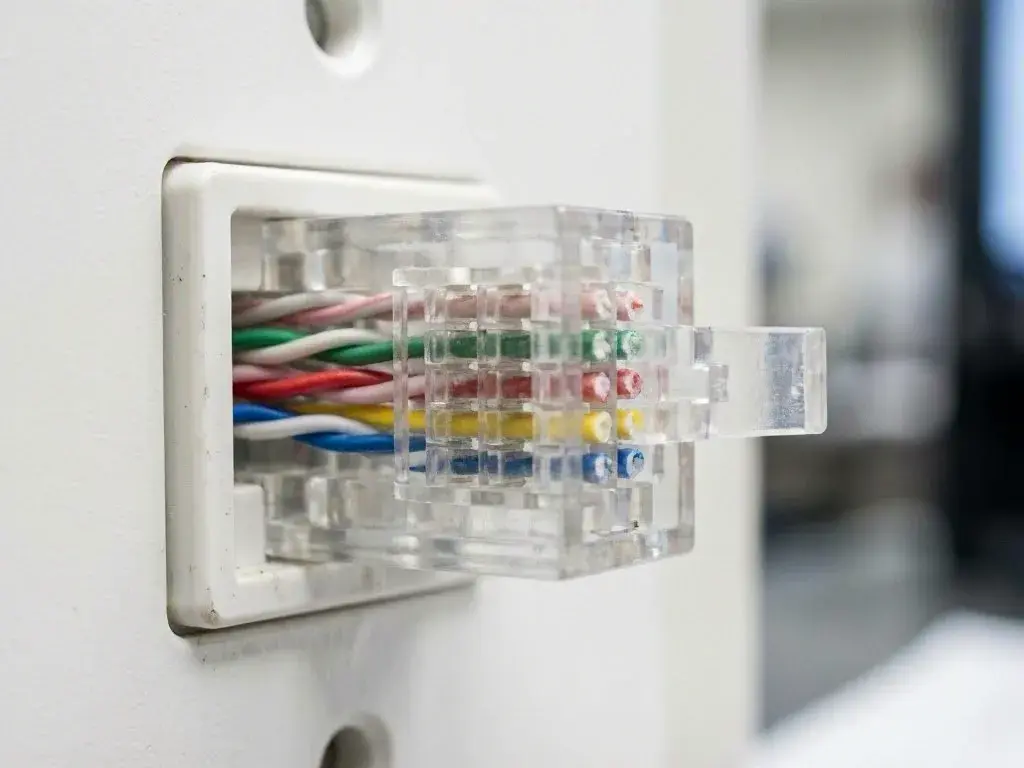
EMT conduit means electrical metallic tubing. It's a thin-wall steel raceway for electrical conductors. It carries and protects these conductors. Most EMT has a zinc coating that helps resist corrosion. The tubing is lighter and easier to bend than rigid metal conduit. Electricians often use it for exposed wiring in commercial, industrial, and some residential installations.
Related glossary terms: Conduit, Electrical Grounding, Plastic Conduit.
Conductors pass through the tubing's open interior. Conduit bodies, boxes, and listed fittings guide or end the raceway. EMT doesn't contain insulation or complete a circuit by itself. The installed system still needs the correct wire type and conductor size. It also needs overcurrent protection and a grounding method.
How EMT Conduit Works, Is Measured, or Is Used?
EMT is sold by trade size, such as 1/2 inch, 3/4 inch, and 1 inch. Trade size is a nominal designation, not an exact outside diameter measurement. The required size depends on conductor count and insulation. It also depends on conductor size and bending space. Applicable conduit fill rules also affect the required size.
An installation usually follows a planned route from a panel or junction box. The route leads to a device, motor, lighting point, or other electrical load. The installer cuts the tubing and removes sharp edges. The installer forms bends with an EMT bender. Compression or set-screw fittings join the sections. Straps or other approved supports hold the raceway in place. Bushings or fittings protect conductors from sharp metal edges.
EMT can form part of the equipment grounding path. This requires electrical continuity through the raceway, fittings, boxes, and connections. Installers must verify that each connection is tight and suits the environment. Conductors are then pulled through the completed pathway. They are identified as required and terminated at listed devices or enclosures.
Why EMT Conduit Matters?
EMT gives wiring a strong barrier against knocks, abrasion, and accidental contact. Its exposed layout makes future inspection easier. It also makes conductor replacement easier than work hidden inside a wall. A neat raceway route can simplify troubleshooting. You can follow conductors between accessible boxes and equipment.
The metal pathway doesn't make an installation safe by itself. Poor bends can damage insulation. Excessive fill can make conductor pulling difficult. Loose fittings can interrupt grounding continuity. Voltage drop, heat, moisture, corrosion, and available fault current also affect raceway choices. These factors also affect conductor choices.
When EMT Conduit Matters Most?
EMT becomes especially useful where wiring is exposed or subject to physical damage. Examples include unfinished basements, garages, mechanical rooms, and workshops. Other examples include commercial spaces and equipment areas. It also helps when a future circuit may need access. You can reach it without opening finished walls. Local rules can affect whether EMT, cable, or another raceway is allowed. These rules can vary by location.
Selection matters near damp areas and corrosive materials. It also matters near outdoor equipment and unusual conditions. These conditions include impact or temperature concerns. Standard EMT and fittings may not suit every environment. Check the product listing and enclosure rating before choosing the raceway system. Check local amendments and National Electrical Code requirements too.
How to Evaluate EMT Conduit?
- Confirm the EMT trade size provides enough permitted area for the conductors and leaves practical pulling space.
- Check that bends have smooth interiors and do not create sharp edges that could damage insulation.
- Inspect fittings for correct type, proper engagement, and tight connections at every box and tubing joint.
- Test grounding continuity across raceway sections, fittings, boxes, and equipment connections.
- Verify supports, box access, conductor ampacity, and local code requirements before energizing the circuit.
Related Concepts Compared
EMT Conduit vs. Rigid Metal Conduit
Rigid metal conduit has a thicker wall and threaded ends. EMT has a thinner wall and normally uses compression or set-screw fittings.
EMT Conduit vs. Flexible Metal Conduit
Flexible metal conduit bends by its corrugated construction. EMT is a straight, rigid tube that requires a bender for formed offsets and angles.
EMT Conduit vs. Romex Cable
Romex is a cable assembly containing insulated conductors and an outer jacket. EMT is an empty raceway that requires separately installed conductors.
EMT Conduit vs. Plastic Conduit
Plastic conduit does not conduct electricity and needs a separate grounding conductor in many installations. EMT may serve as the equipment grounding path when installed as a compliant metallic system.
Expert Note
A clean EMT installation depends on more than straight tubing. The raceway must maintain grounding continuity through every coupling, connector, box, and enclosure. Installers should also account for conductor pulling tension, bend space, moisture exposure, and access for future maintenance.
Common Mistakes or Myths About EMT Conduit
- Treating EMT as threaded rigid conduit.
- Leaving sharp cut edges that can damage conductor insulation.
- Using fittings that are not listed for the tubing or the installation environment.
- Ignoring conductor fill, bend space, or support requirements.
- Assuming every metal connection provides reliable grounding without checking continuity.
EMT Conduit in Practice: A Real-World Example
A workshop circuit runs from a panel across an unfinished basement ceiling to several receptacle boxes. An electrician sizes the EMT for the conductors, bends offsets around beams, secures the tubing, and pulls insulated conductors through the completed raceway. The exposed metal pathway protects the circuit and keeps the wiring accessible.
Related Terms
Conduit
Conduit is a tube or raceway that encloses and protects electrical conductors from physical damage, moisture…
Electrical Grounding
Electrical Grounding is the intentional connection of an electrical system or equipment to earth through a…
Plastic Conduit
Plastic Conduit is a nonmetallic raceway that protects and routes insulated electrical conductors. It is commonly…
Wire Gauge
Wire Gauge is a standardized measurement of a conductor’s diameter and electrical capacity. The American Wire…
Electrician Pittsburgh
Have Questions About EMT Conduit?
Contact Electrician Pittsburgh for practical guidance on EMT Conduit and related 24 hour electrician work in Pittsburgh.