
What is Wire Gauge?
Wire Gauge is a standardized measurement of a conductor’s diameter and electrical capacity. The American Wire Gauge system assigns smaller numbers to thicker wires and larger numbers to thinner wires. Correct gauge selection depends on current, circuit voltage, conductor material, insulation rating, installation method, and allowable voltage drop.
Quick Facts About Wire Gauge
Category
Electrical conductor measurement
Measured by
American Wire Gauge number and conductor diameter
Used for
Selecting conductors for current, voltage, and distance
Common confusion
A larger gauge number means a thinner wire
Also called
American Wire Gauge, AWG
Often discussed with
Electrical Troubleshooting, Residential Rewiring
Key Takeaways About Wire Gauge
- Smaller American Wire Gauge numbers indicate thicker conductors with greater current-carrying capacity.
- Circuit current, conductor material, insulation, and installation conditions affect the required wire size.
- A wire that is too small can overheat, damage equipment, or create a fire hazard.
- Voltage drop becomes more significant on long circuits and may require a larger conductor.
- Wire gauge does not identify voltage, insulation type, or circuit breaker size by itself.
Understanding Wire Gauge
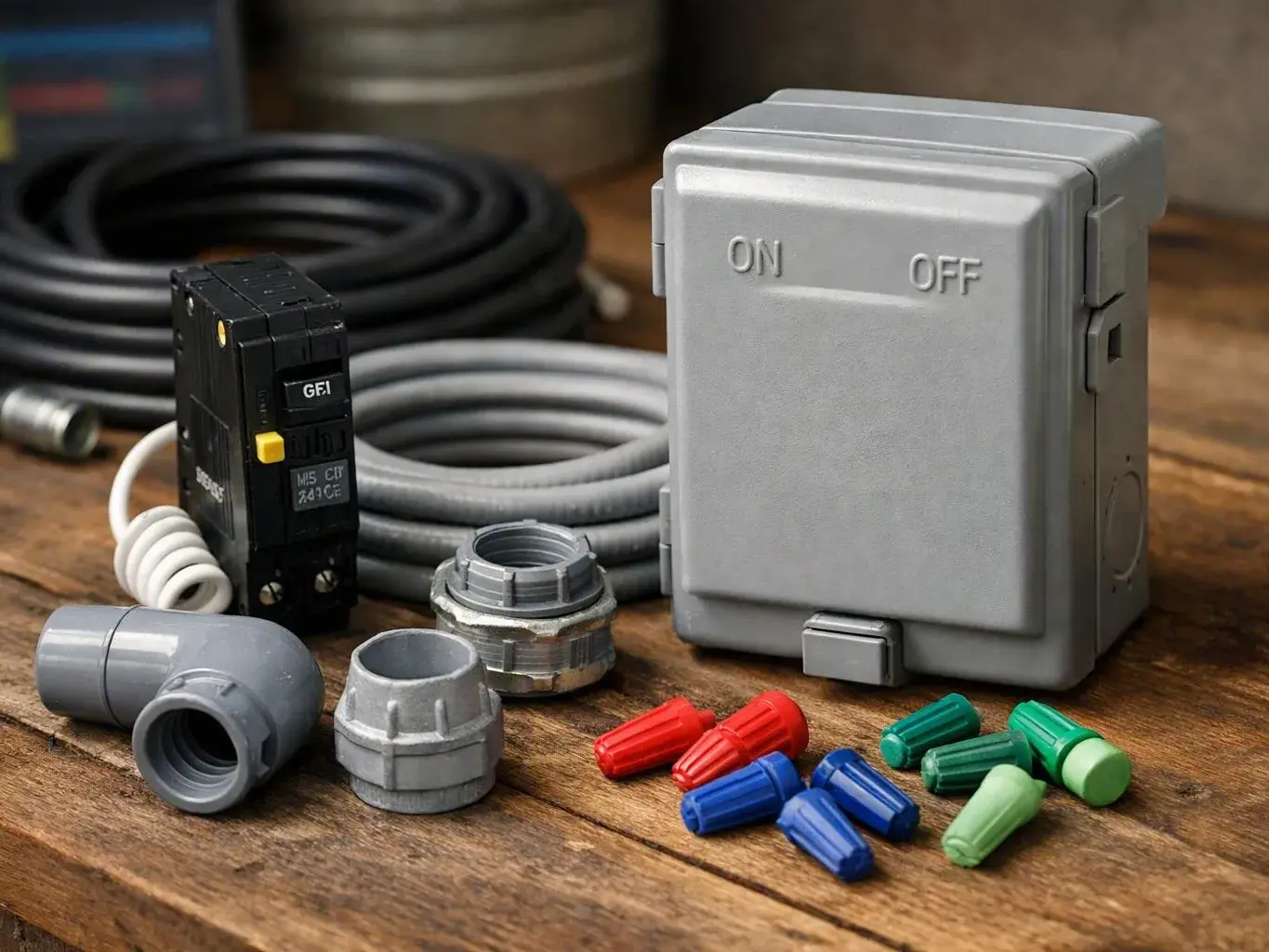
Wire gauge describes the size of a wire’s metal conductor. In North America, electricians commonly use American Wire Gauge, or AWG. They use it for solid and stranded copper or aluminum conductors. The number mainly refers to conductor diameter, not complete cable thickness.
Related glossary terms: Ampere, Copper Wiring, Load Calculation.
AWG numbering runs in reverse. A 10 AWG conductor is thicker than a 14 AWG conductor. A 14 AWG conductor is thicker than a 20 AWG conductor. A thicker conductor has less electrical resistance and carries more current under proper conditions. The outer insulation adds protection but doesn't change the conductor’s AWG size.
How Wire Gauge Works, Is Measured, or Is Used?
The AWG system follows a logarithmic scale rather than a simple linear scale. Each increase of three gauge numbers produces about half the conductor cross-sectional area. Each decrease of three numbers produces about twice the area. For example, 12 AWG copper has a larger conductor than 15 AWG copper. Common building wire sizes usually follow established trade sizes.
Electricians select a gauge by reviewing the circuit’s ampacity, voltage, length, and conductor material. They also review insulation temperature ratings and installation conditions. A circuit carrying the same current may need larger wire over a long distance. It may also need larger wire in warm areas or crowded raceways. The National Electrical Code provides ampacity rules. The final choice also depends on the complete circuit design.
Wire size is not the only part of cable identification. A cable may include two or more conductors. It may also include a grounding conductor and an outer jacket. Markings such as 12 AWG, 600 V, and 90 degrees Celsius describe different properties. Each marking must be read in context. Copper and aluminum conductors with the same AWG number don't perform identically. Their resistance and permitted connections differ.
Why Wire Gauge Matters?

Correct gauge limits heat and helps equipment receive usable voltage. If a conductor is too small for its load, resistance produces heat. Current creates this heat as it flows through the wire. That heat can damage insulation, loosen connections, and increase fire risk. This risk grows when overcurrent protection doesn't match the conductor.
A conductor that's much larger than necessary usually operates safely. However, it can increase material cost and make termination harder. Large conductors may not fit a device terminal or circuit breaker. The device must be listed for that conductor size. Proper selection balances ampacity, voltage drop, termination ratings, installation space, and expected load.
When Wire Gauge Matters Most?
Wire gauge deserves close attention during new circuit installation, rewiring, panel changes, and troubleshooting. Long runs to detached structures, garages, workshops, heating equipment, and electric vehicle chargers often need review. This review checks for voltage drop. Motors and other equipment with high starting current also place special demands on conductor sizing.
Use these checks when reviewing a wire size.
- Compare the conductor marking with the circuit design and equipment instructions.
- Verify the conductor material, insulation rating, ampacity, and breaker rating.
- Account for circuit length and measure voltage drop when equipment performance matters.
- Check that terminals, lugs, wire connectors, and raceways accept the selected conductor.
How to Evaluate Wire Gauge?
- Read the printed conductor marking and confirm the AWG number, material, insulation rating, and voltage rating.
- Compare the wire ampacity with the calculated load and the permitted overcurrent protection.
- Measure circuit length and assess voltage drop for long runs or sensitive equipment.
- Check whether terminals, wire connectors, and raceways are listed for the conductor size and material.
- Look for heat damage, discolored insulation, loose terminations, or breakers that trip under normal load.
Related Concepts Compared
Wire Gauge vs. Ampacity
Ampacity is the maximum current a conductor may carry under stated conditions. Wire gauge describes conductor size, which helps determine ampacity but does not establish it alone.
Wire Gauge vs. Voltage Drop
Voltage drop is the reduction in voltage along a circuit caused by resistance. A larger wire gauge can reduce voltage drop, especially on long circuits.
Wire Gauge vs. Cable Size
Cable size may describe the entire cable assembly, including conductors, insulation, and jacket. Wire gauge usually identifies the size of one internal conductor.
Expert Note
Do not size a conductor from gauge alone. Confirm the calculated load, conductor material, insulation temperature, terminal ratings, installation conditions, and circuit length. A breaker protects the wiring from excessive current, while voltage-drop review protects equipment performance.
Common Mistakes or Myths About Wire Gauge
- Assuming a larger gauge number means a thicker wire.
- Choosing wire from breaker size without checking load, length, and installation conditions.
- Confusing conductor gauge with the outer diameter of a cable.
- Mixing copper and aluminum conductors without listed connectors and approved installation methods.
- Ignoring voltage drop on long circuits.
Wire Gauge in Practice: A Real-World Example
A 120-volt receptacle circuit may use 12 AWG copper conductors when the design requires that size and the overcurrent protection matches the installation. If the same circuit runs a long distance to a detached garage, a larger conductor may reduce voltage drop and improve tool performance.
Related Services
Related Terms
Ampere
Ampere is the SI unit of electric current. It measures how much electric charge passes a…
Copper Wiring
Copper Wiring is an electrical conductor system that uses copper wire to carry power or signals…
Load Calculation
Load Calculation is a method for determining how much electrical power a building, panel, or circuit…
Overcurrent Protection
Overcurrent Protection is a safety method that limits electrical current when a circuit carries more amperage…
Electrician Pittsburgh
Have Questions About Wire Gauge?
Contact Electrician Pittsburgh for practical guidance on Wire Gauge and related 24 hour electrician work in Pittsburgh.