
What is NEMA?
NEMA is the National Electrical Manufacturers Association, a trade group that publishes standards for electrical equipment, enclosure protection, and wiring devices. NEMA ratings describe how enclosures resist hazards such as dust, water, oil, corrosion, or physical contact. NEMA also identifies standardized plug, receptacle, and connector configurations used in homes, commercial buildings, and industrial facilities.
Quick Facts About NEMA
Category
Electrical standards and equipment classifications
Used for
Enclosures, plugs, receptacles, connectors, and controls
Common confusion
NEMA is not the same as NEC or an IP rating.
Also called
National Electrical Manufacturers Association, NEMA rating
Often discussed with
Electrical Code Corrections, Electrical Safety Inspections
Key Takeaways About NEMA
- NEMA publishes equipment standards and assigns enclosure types based on specific environmental protection needs.
- A NEMA plug configuration identifies voltage, amperage, grounding, and blade arrangement.
- NEMA enclosure ratings differ from IP ratings. So the two systems should not be treated as interchangeable.
- The correct rating depends on moisture, dust, oil, corrosion, impact, and installation location.
- A NEMA label does not replace electrical code approval, listing, or proper installation.
Understanding NEMA
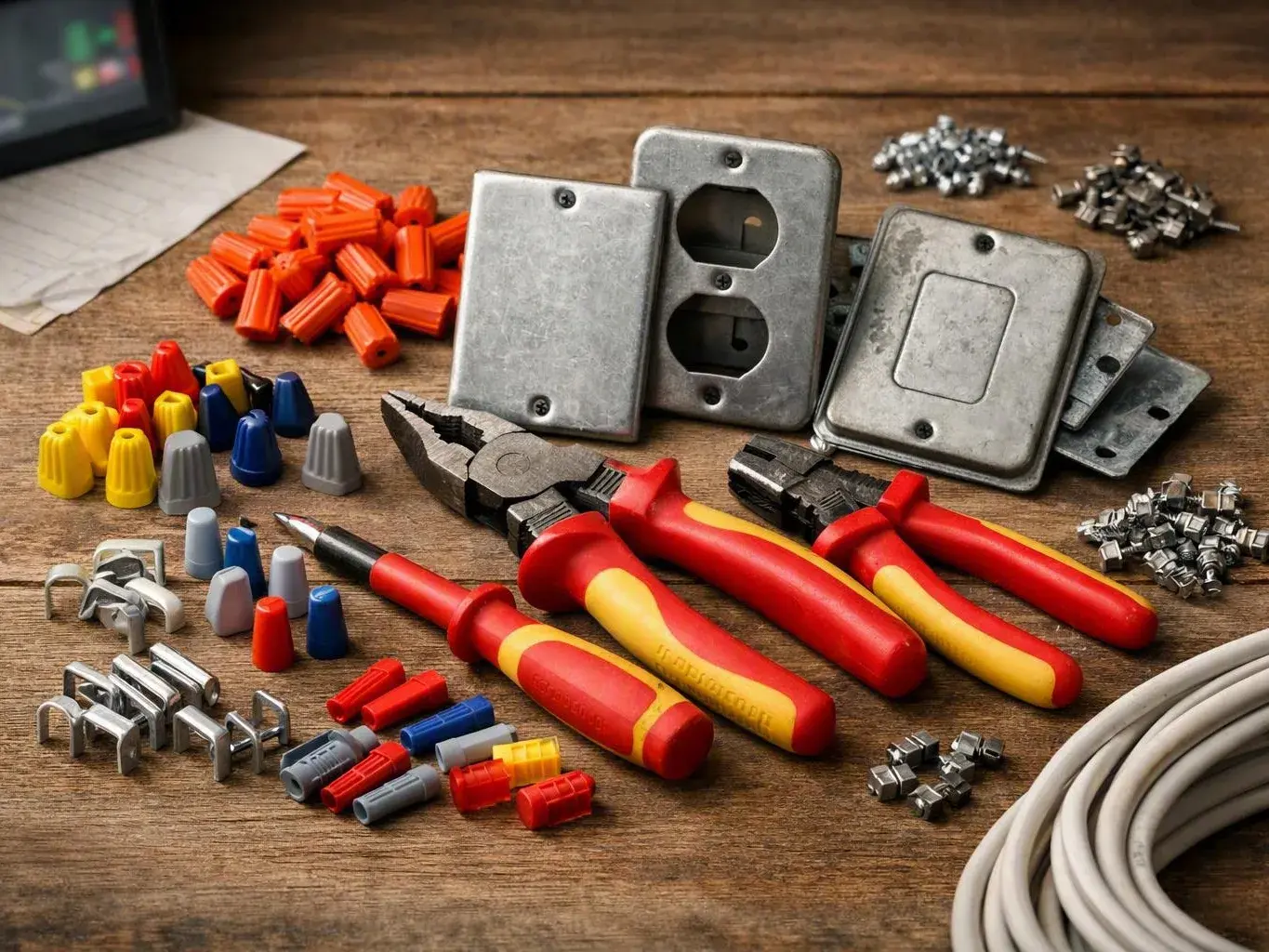
NEMA, or the National Electrical Manufacturers Association, develops voluntary standards for electrical products and systems. Manufacturers, engineers, inspectors, and electricians use these standards to describe product dimensions, speed, safety features, and environmental protection. NEMA itself isn't a government agency. It doesn't write the National Electrical Code.
Related glossary terms: Receptacle, Conduit, Overcurrent Protection.
Two NEMA uses appear often in electrical work. A NEMA enclosure type describes how well a cabinet or box protects equipment. It protects against hazards such as dust, dripping water, and hose-directed water. It also protects against oil, corrosion, and accidental contact. A NEMA wiring device configuration identifies a plug, receptacle, or connector's shape. It also identifies its electrical arrangement. The number in a designation matters. Its meaning depends on the NEMA standard used.
How NEMA Works, Is Measured, or Is Used?
Enclosure ratings use set environmental tests and construction features. For example, NEMA Type 1 generally covers indoor protection from energized parts and falling dirt. NEMA Type 3R covers outdoor use with protection from rain, sleet, and snow. It also covers external ice formation. A higher number doesn't always mean better protection. Each type covers a specific list of hazards.
Plug and receptacle designations use a different system. A marking such as NEMA 5-15 identifies a common 125-volt, 15-ampere, three-wire configuration. NEMA 14-50 identifies a 125/250-volt, 50-ampere configuration. It's commonly found in ranges and some electric vehicle charging installations. The correct device must match the circuit voltage and current rating. It must also match the wiring, grounding method, and equipment instructions. Never select a receptacle by physical fit alone.
Electricians read the NEMA marking on the equipment. Then they compare it with installation conditions and the applicable National Electrical Code. For an enclosure, the review may cover rain exposure and washdown. It may also cover combustible dust, corrosive chemicals, and impact risk. For a receptacle, the review covers conductor size and overcurrent protection. It also covers circuit rating, grounding, and the connected load.
Why NEMA Matters?
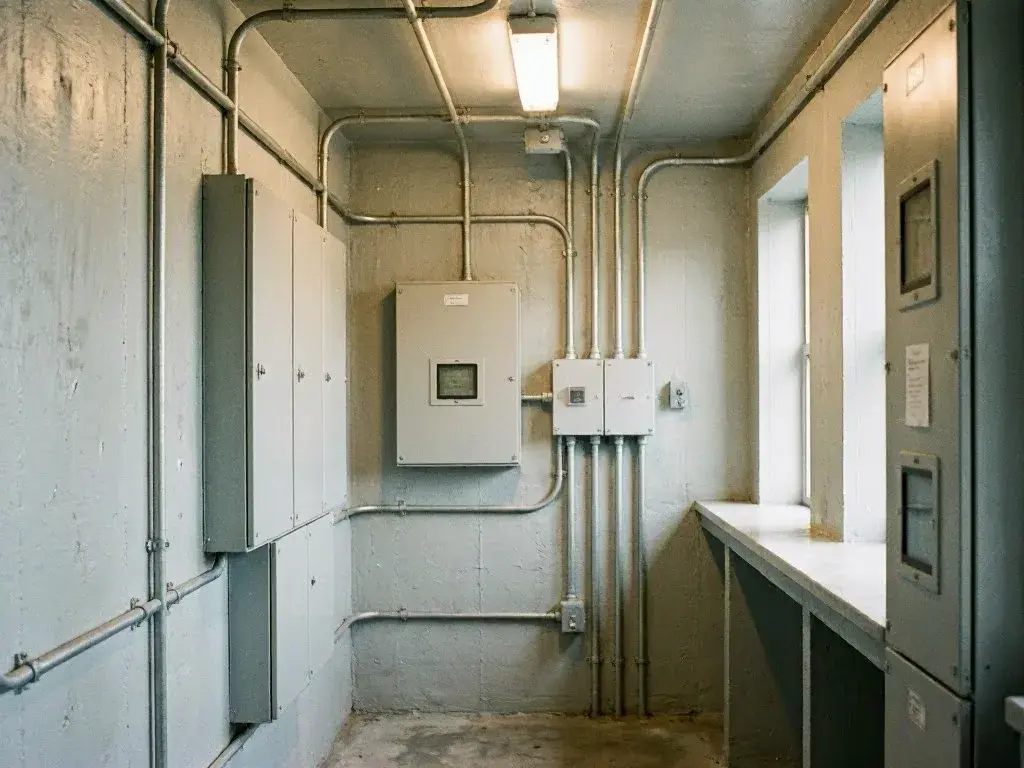
NEMA standards give manufacturers and installers a shared language. A clear enclosure type helps an engineer specify suitable equipment. The equipment can withstand a damp garage or dusty workshop. It can also suit an outdoor control area. A clear plug configuration reduces wrong voltage or current connections.
Correct selection also limits damage and nuisance failures. It helps prevent shock hazards and unplanned replacement costs. A weather-resistant enclosure may still fail if water enters. Water may enter through an unsealed conduit connection. Likewise, a receptacle with the right blade pattern may still be unsafe. The circuit may lack required wiring or overcurrent protection.
When NEMA Matters Most?
NEMA becomes especially important during new installations and equipment replacement. It also matters during panel work and troubleshooting. It needs close review where equipment faces rain, snow, or washdown. It also matters around metal dust, oil, salt, or chemical exposure. Pittsburgh sites may need careful outdoor enclosure selection. Freezing weather and repeated moisture can affect equipment over time.
Use the manufacturer’s marking and installation instructions first. Check these details before approving a product or repair.
- Confirm that the NEMA enclosure type covers every hazard at the location.
- Match the plug and receptacle configuration to voltage, amperage, phase, and grounding.
- Verify listing, labeling, conductor size, breaker rating, and code requirements.
- Inspect covers, gaskets, hubs, and conduit entries for gaps. These gaps can admit water or dust.
How to Evaluate NEMA?
- Read the complete NEMA type or device designation on the product label.
- Compare the enclosure type with moisture, dust, oil, corrosion, and impact conditions at the installation site.
- Check receptacle voltage and amperage against the circuit breaker, conductor size, and connected equipment.
- Verify the product listing, installation instructions, grounding method, and applicable electrical code requirements.
- Inspect seals, covers, conduit fittings, and unused openings for damage or unprotected gaps.
Related Concepts Compared
NEMA vs. National Electrical Code
NEMA publishes product and equipment standards. While the National Electrical Code sets installation rules adopted by jurisdictions. A NEMA-rated product still needs code-compliant installation.
NEMA vs. IP Rating
IP ratings use an international two-digit code for solid-particle and water protection. NEMA enclosure types cover a broader set of conditions and are not direct one-to-one equivalents.
NEMA vs. Electrical Receptacle
A receptacle is the outlet device that accepts a plug. NEMA configurations describe the physical and electrical pattern of many receptacles and plugs.
Expert Note
A NEMA enclosure rating describes tested protection, not permission to place the enclosure anywhere. Conduit entries, door seals, mounting orientation, drainage, and maintenance can change real-world protection after installation.
Common Mistakes or Myths About NEMA
- Treating a higher NEMA number as automatically better for every environment.
- Using a NEMA plug or receptacle by shape without checking voltage and amperage.
- Assuming a NEMA enclosure is waterproof under every installation condition.
- Confusing NEMA standards with the National Electrical Code.
- Replacing a damaged gasket or conduit fitting with ordinary tape.
NEMA in Practice: A Real-World Example
A workshop owner replaces an indoor control box with equipment installed near an exterior loading area. The electrician selects an enclosure type that addresses rain and ice. Then seals conduit entries and verifies the circuit rating. The box rating alone would not correct an improperly sized breaker or damaged wiring.
Sources & Further Reading on NEMA
- National Electrical Manufacturers Association, Enclosure Types
Related Terms
Receptacle
Receptacle is a wiring device that provides contact points for a plug and connects electrical equipment…
Conduit
Conduit is a tube or raceway that encloses and protects electrical conductors from physical damage, moisture…
Overcurrent Protection
Overcurrent Protection is a safety method that limits electrical current when a circuit carries more amperage…
Ground Fault Circuit Interrupter
Ground Fault Circuit Interrupter is a protective device that monitors current flowing through a circuit’s ungrounded…
Electrician Pittsburgh
Have Questions About NEMA?
Contact Electrician Pittsburgh for practical guidance on NEMA and related 24 hour electrician work in Pittsburgh.