A Practical Guide to AFCI Protection and Electrical Code Corrections
AFCI protection finds dangerous electrical arcs and cuts power. Electrical code corrections fix unsafe wiring, devices, panels, and branch circuits. Property owners may need both services after a remodel, inspection, breaker trip, or circuit extension. A qualified electrician checks the system and suggests safe repairs. At Electrician Pittsburgh, we review each device as part of the full wiring system.
Get a Free Estimate
What Is AFCI Protection and What Does It Protect Against?
AFCI protection uses an arc-fault circuit interrupter. It finds unsafe electrical arcing and cuts power. This helps stop damaged wires or loose connections from starting fires. AFCI devices protect branch circuits from fire-starting arc faults. They don't replace grounding, overcurrent protection, or proper repairs.
An arc fault is an unwanted path for electricity. Electricity may jump across a gap. This can happen when wire cover is damaged, a wire is pinched, or a terminal gets loose. Heat may build inside a wall, outlet box, cord, or panel. A standard breaker may not trip because the current stays low.
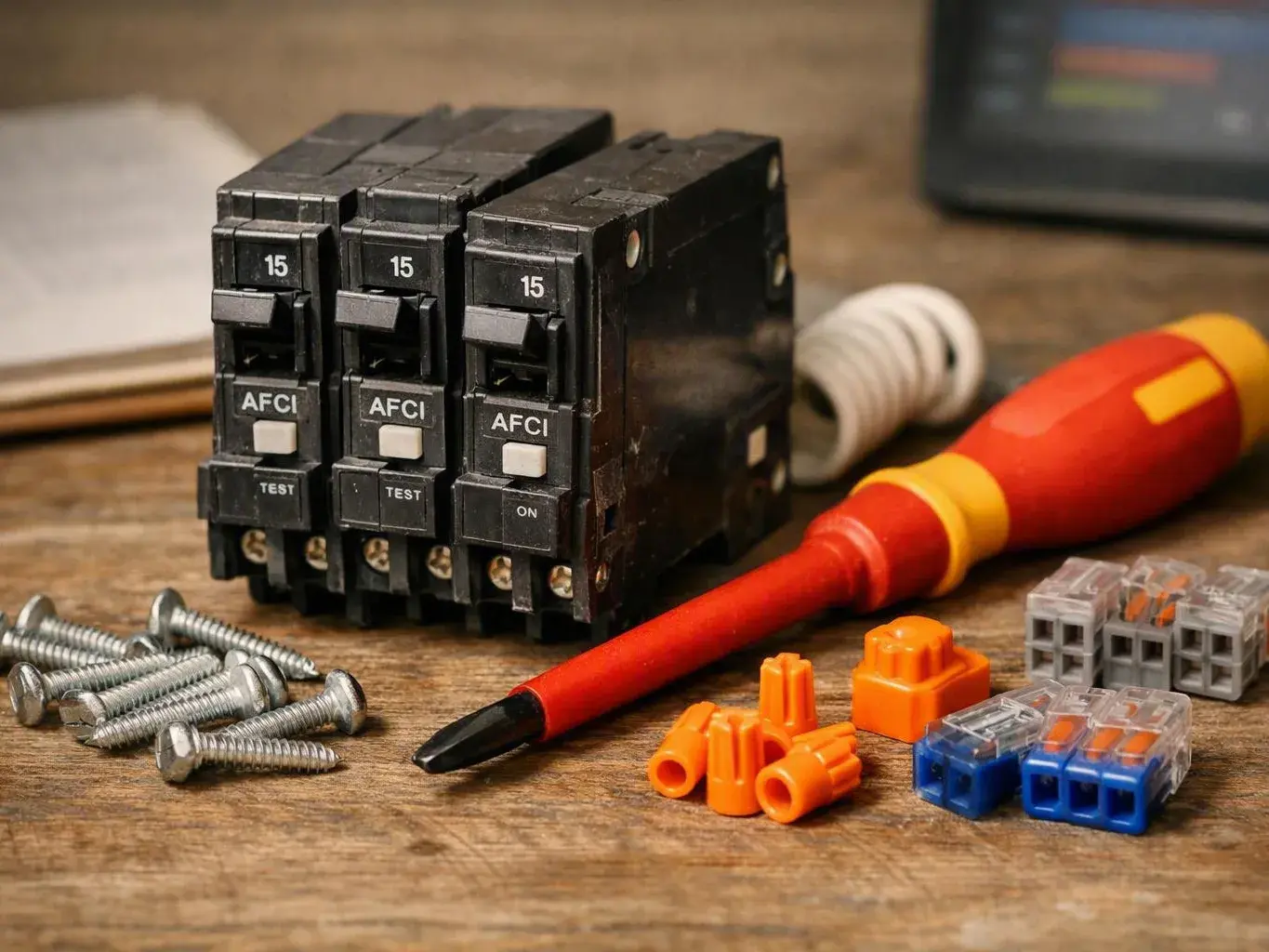
A combination AFCI circuit breaker watches for several arc patterns. It protects one branch circuit. When it finds a dangerous pattern, it opens the circuit and stops power. This device helps lower fire risks in home wiring. It can help where wires pass through old framing or devices have changed.
AFCI protection can't fix poor work. It won't correct an overloaded circuit, missing ground, reversed connection, damaged wire, or unsafe splice. Older homes may have wiring from different time periods. Remodeled rooms may join new cable with old boxes and devices. These conditions can affect device fit. Testing may be needed before installation.
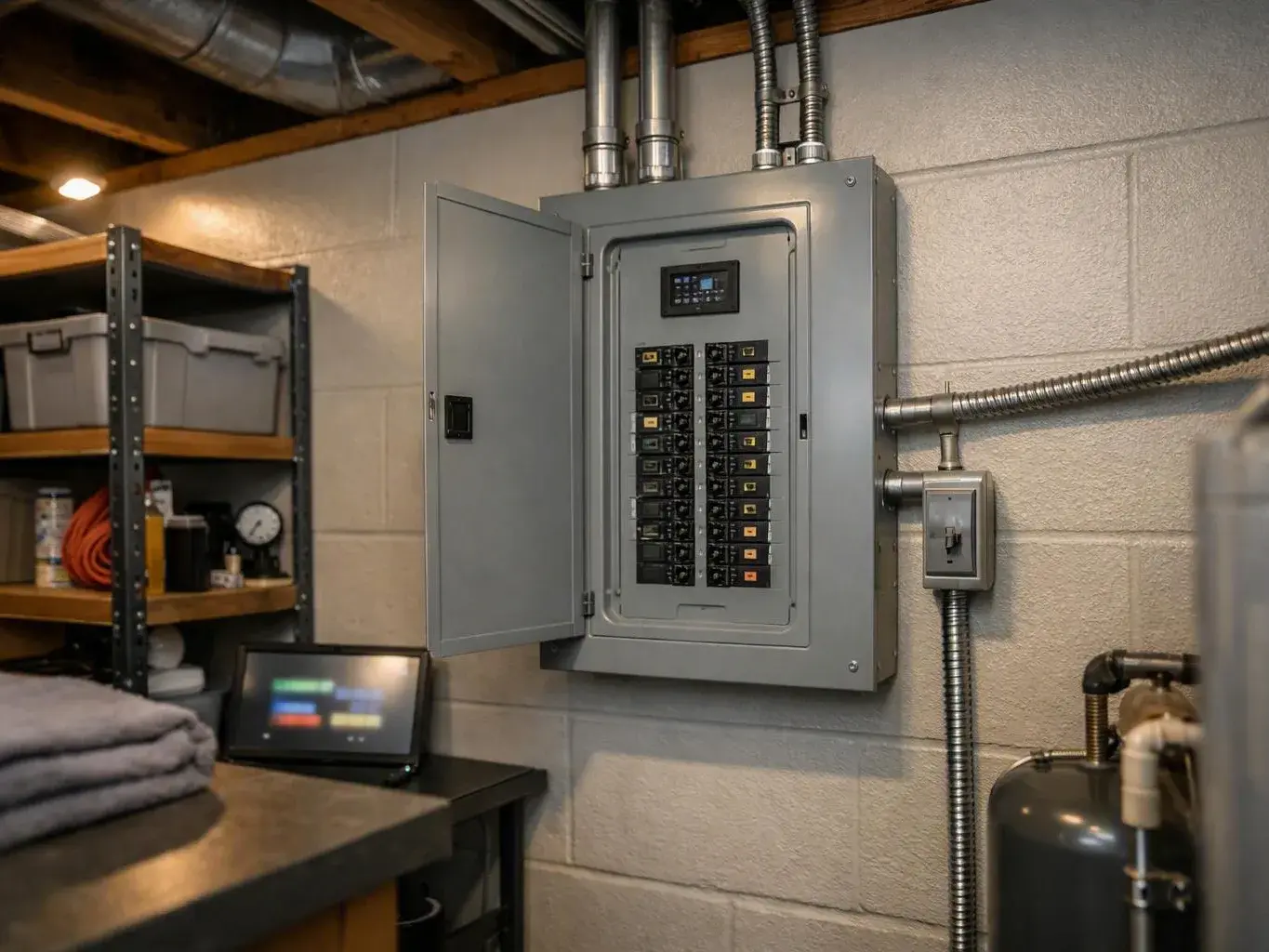
A qualified electrician checks the panel, wire type, neutral setup, grounding, and device ratings. We may suggest AFCI Protection Installation in Pittsburgh when the panel supports it. The right choice depends on the installation and the adopted electrical code.
Do I Need an AFCI Breaker or an AFCI Outlet?
The right device depends on the circuit layout and required protection. The panel must also accept the device. A panel device often protects more of the circuit. An outlet device may help when the panel can't accept an AFCI breaker.
| Device | Typical location | What to consider |
|---|---|---|
| Combination AFCI breaker | Electrical panel | It can protect the circuit from the panel outward. It must fit the panel and wiring system. |
| AFCI receptacle | Outlet or accessible outlet box | It may protect wiring farther along the circuit. Installation must follow product directions and code. |
| Standard circuit breaker | Electrical panel | It protects against too much current. It doesn't provide arc-fault protection by itself. |
An electrician shouldn't choose a device by looks alone. Panel age, maker, open spaces, shared neutrals, and wire condition all matter. Required protection areas matter too. Most small troubleshooting visits take only a few hours. Repairs may take longer when access is hard or wiring comes from several time periods.
How AFCI Protection Differs from GFCI Protection?
GFCI protection and arc-fault protection handle different dangers. A ground-fault circuit interrupter checks for leaking current. It cuts power quickly to lower shock risk. It often protects areas near water or grounded surfaces.
AFCI equipment looks for patterns linked to electrical arcing. A damaged cord or loose connection can create these patterns. AFCI protection mainly lowers fire risk from arc faults. One type doesn't replace the other. Some circuits may need both types.
Is AFCI Protection Required When a Branch Circuit Is Extended?
A branch circuit extension may need AFCI protection when wiring, outlets, or devices are added. The adopted electrical code and work scope control the exact rule. An electrician should check the circuit before extending it. The check should cover the panel, grounding, wires, and local inspection rules.
An extension can change more than circuit length. New cable may join old cable. A remodel may add several loads. An outlet may move into an area with different protection rules. The electrical code sets the main rules. The reviewing authority and work type decide the exact need.
During an inspection, we check wire cover, wire size, neutral paths, grounding paths, box space, and splices. We also check panel capacity. A shared neutral or old device can cause nuisance trips. Replacing a device may not be enough if the wiring can't safely support the extension.
Confirm permit and inspection rules before work starts. A proper repair uses safe cable paths and tight connections. It also uses the right boxes and required protection. Testing follows the installation. In older homes, records should show what is old and what is new.
A new outlet isn't always the fastest repair. The electrician must check the whole protected path. This helps keep the branch circuit safe and ready for inspection.
Why Does My AFCI Breaker Keep Tripping?
An AFCI breaker may trip because it finds an arc fault or damaged wire. A loose connection, shared-neutral issue, or wrong device can also cause trips. Repeated resets can hide a serious danger. An electrician should test the circuit and find the cause.
A new appliance, power tool, dimmer, or control may cause a rare nuisance trip. Repeated trips need more attention. A damaged wire behind a wall can create heat, so can a loose connection or pinched cable.
Other causes include an overloaded circuit or moisture. A shared neutral may be wired wrong. A neutral may touch ground farther along the circuit. The breaker may not be approved for the panel. Old wiring methods can also confuse a modern safety device.
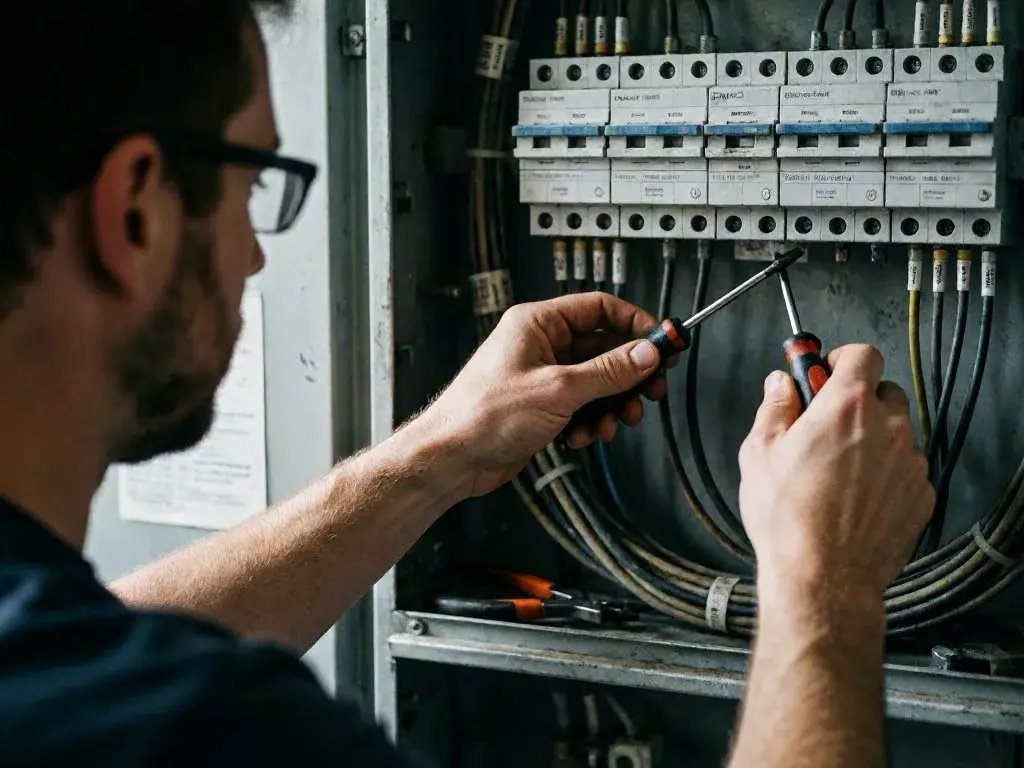
Safe troubleshooting starts by turning off the affected circuit. Note which lights and outlets lose power. Don't keep resetting the breaker. Don't remove the panel cover unless you're qualified. We test the breaker and connected loads. We inspect accessible boxes and trace the circuit.
If the breaker won't reset, leave it off and arrange an inspection. This may show an active fault, short, damaged breaker, or wiring problem. The repair may involve a device, wire, neutral setup, or larger code correction.
How Can an Electrician Correct Outdated Electrical Work?
An electrician corrects old electrical work by checking the system first. The electrician finds hazards and code problems. Then the electrician ranks the repairs by safety risk. Work may include AFCI installation, grounding, panel repairs, box repairs, circuit separation, or residential rewiring. Testing and records follow the work.
Old wiring doesn't always mean everything must come out. The goal is to fix unsafe areas. Good parts may stay when the electrical code allows it.
Electrical inspections often find linked problems. A panel change may reveal grounding issues. A new kitchen or bedroom circuit may show overloaded wiring. Our team explains which repairs protect safety. We also explain which repairs meet code and which work can wait.
We consider the home's age and design. Older homes may have cloth-covered cable or ungrounded outlets. They may also have later additions joined to old wiring. A remodel may hide splices or crowd boxes. Residential rewiring may work better than repeated device changes. Testing and access help decide.
When Do Property Owners Need AFCI Protection and Code Corrections Together?
Property owners often need AFCI protection and electrical code corrections together. This happens when a safety device finds a wiring problem. It can also happen when a remodel changes an existing circuit. Coordinating both services lets an electrician check the device, wires, panel, and code issues together.
Common causes include an inspection finding, remodel, or repeated breaker trip. Installing a new device without checking the circuit may leave the real danger in place.
Coordinated AFCI installation and code correction can lower repeat visits. It can also stop one repair from causing another issue. We check the panel, branch circuit, grounding, connections, and loads together.
Questions About 24 Hour Electrician
Can an AFCI Breaker Be Installed in an Older Electrical Panel?
Sometimes. The breaker must be listed for that panel. It must match the panel, rating, and wiring setup. Older panels may lack a matching AFCI option. They may also have other safety issues. We check the panel, wires, neutral setup, grounding, and capacity first.
What Should I Do if My AFCI Breaker Will Not Reset?
Turn off or unplug connected loads if it's safe. Leave the breaker off if it won't reset. Don't force it on again. Don't remove the panel cover. An electrician should test for an arc fault, short, damaged wire, bad breaker, or wiring error.
Can an AFCI Outlet Protect an Entire Circuit?
An AFCI receptacle may protect wiring farther along the circuit. It must sit in the right place and follow product directions and code. It doesn't protect every part of every circuit. The electrician must check line and load connections, upstream wires, outlet access, and the required protection area.
Does Replacing an Outlet Require AFCI Protection?
Not always. A simple replacement differs from adding, moving, or extending a circuit. The answer depends on the work, current protection, location, wire condition, and adopted code. An inspection can show if the outlet also needs protection or other repairs.
How Do I Know if My Home Has Outdated Electrical Wiring?
Warning signs include frequent trips, flickering lights, warm outlets, and damaged wire cover. Two-prong outlets, buzzing, exposed splices, and many extension cords also warn of trouble. An old panel can be another sign. An electrical inspection can find hidden issues and guide repairs or residential rewiring.
Electrical safety choices should come from testing, not guesswork. Call our team after a breaker trip, circuit change, or unsafe inspection finding. We can check the system and explain the next code-compliant step. A 24 Hour Electrician may be needed for smoke, a burning smell, visible arcing, or unsafe power loss.
For questions about AFCI Protection Installation or Electrical Code Corrections, contact our team through our contact page.
Related Resources
How Emergency Electrical Troubleshooting Works in Pittsburgh, PA
how does emergency electrical troubleshooting work pittsburgh
How It WorksResidential Rewiring Process: What to Expect in Pittsburgh, PA
residential rewiring process what to expect pittsburgh
What It CostsHow Much Does a 24-Hour Electrician Cost in Pittsburgh?
24 hour electrician cost Pittsburgh
What It CostsResidential Rewiring Cost and Timeline: What Pittsburgh Homeowners Should Expect
residential electrical rewiring cost and time Pittsburgh