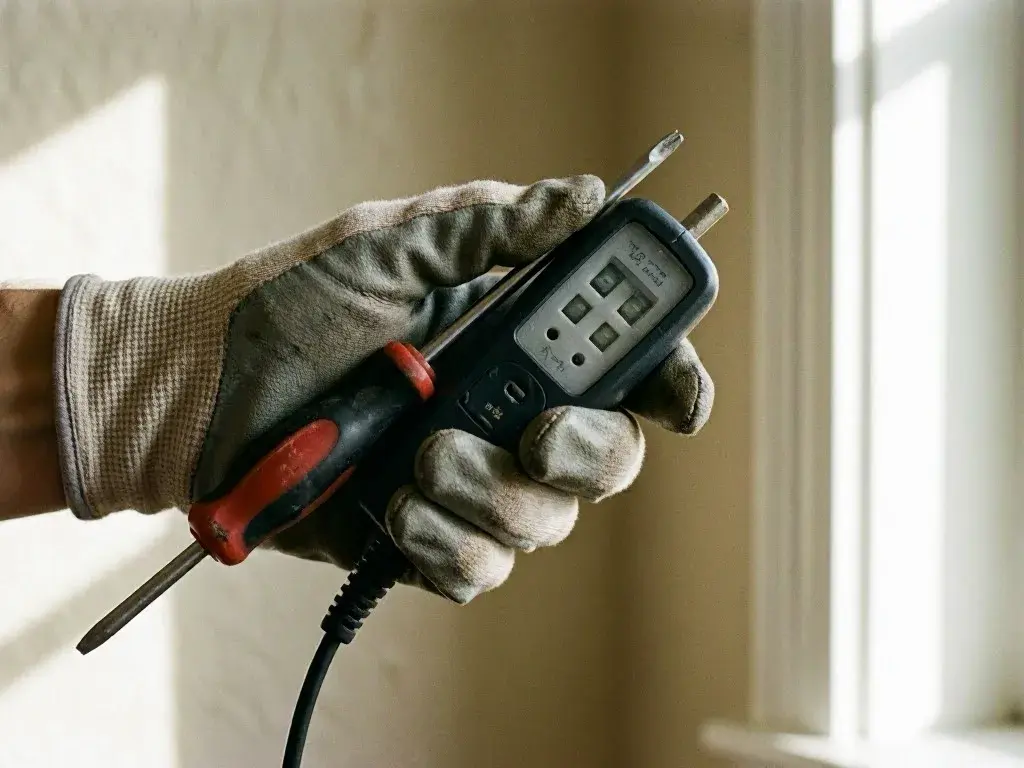
What Electrical Safety Inspections Check and How Thermal Imaging Helps
Electrical safety inspections check wiring, panels, grounding, safety devices, and visible hazards. Thermal imaging finds unusual heat that may show loose connections, overloads, or failing parts. Together, these methods help find risks, plan electrical code corrections, and support safer electrical systems.
Get a Free Estimate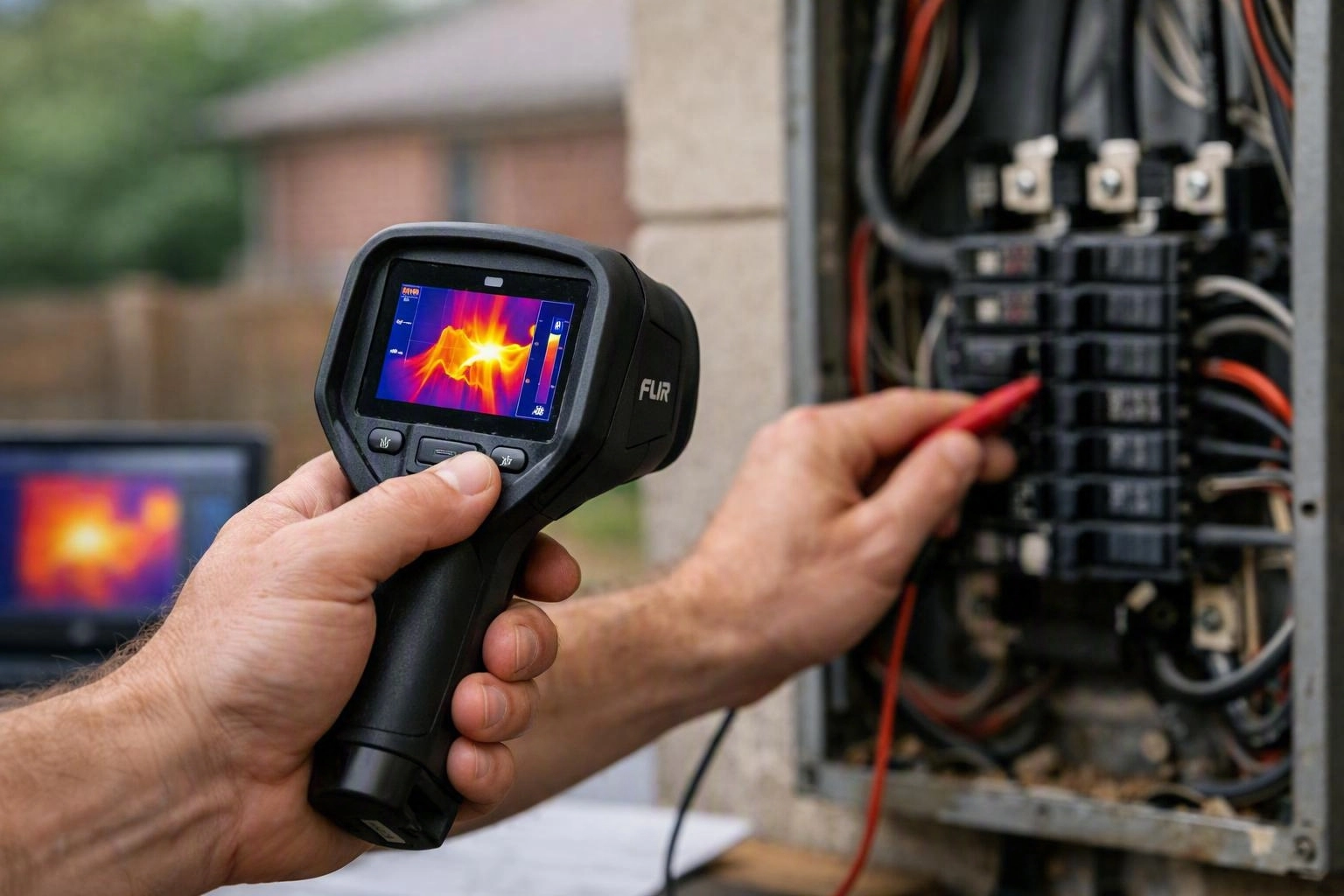
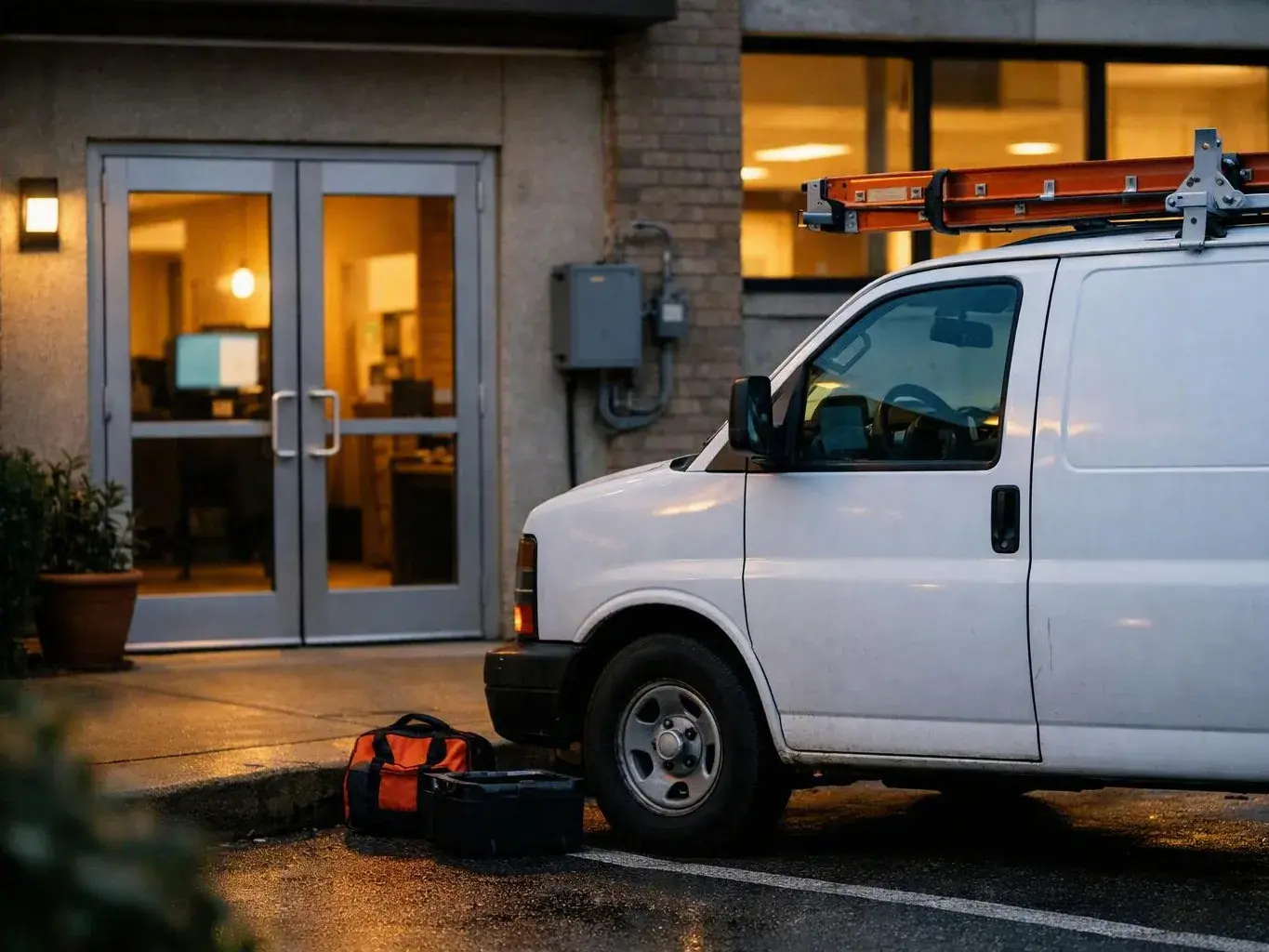
An Electrical safety inspection is a planned check of an electrical system. It also checks safety devices and nearby conditions. At Electrician Pittsburgh, we use visual checks, safe tests, and thermal scans when useful. Electrical Safety Inspections in Pittsburgh may vary by building age, use, access, and local rules.
This visit is more than a pass-or-fail check. It shows what works, what seems unsafe, and what needs repair first. Our team can also discuss a 24 Hour Electrician response for active electrical danger.
What Does an Electrical Safety Inspection Include?
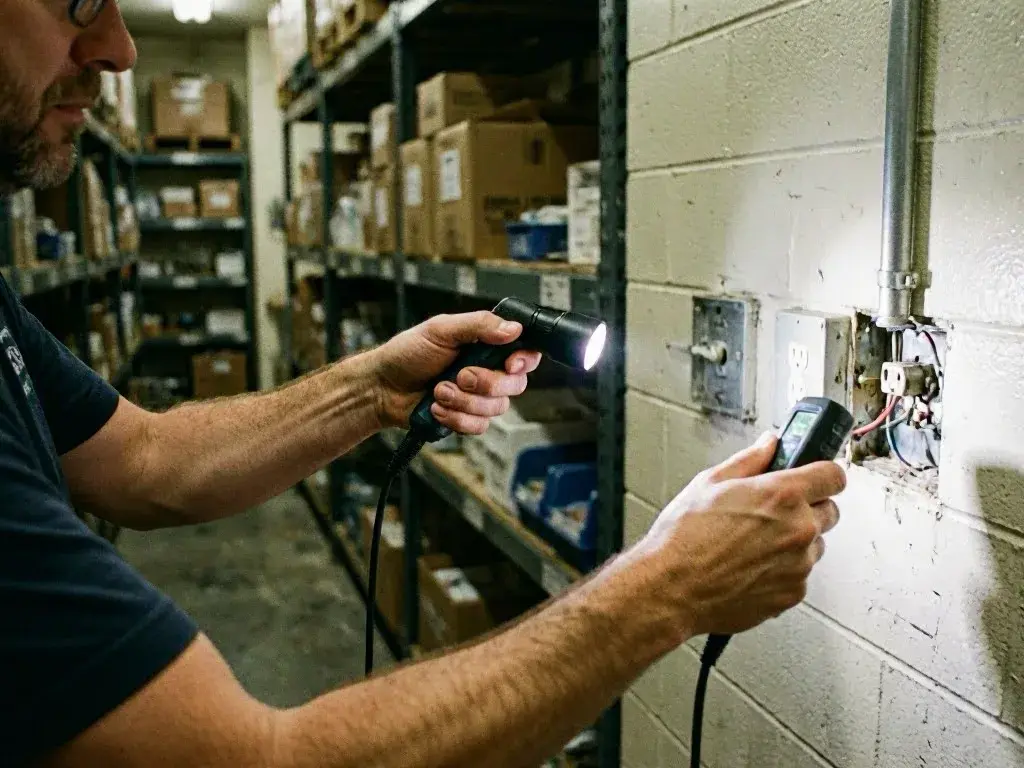
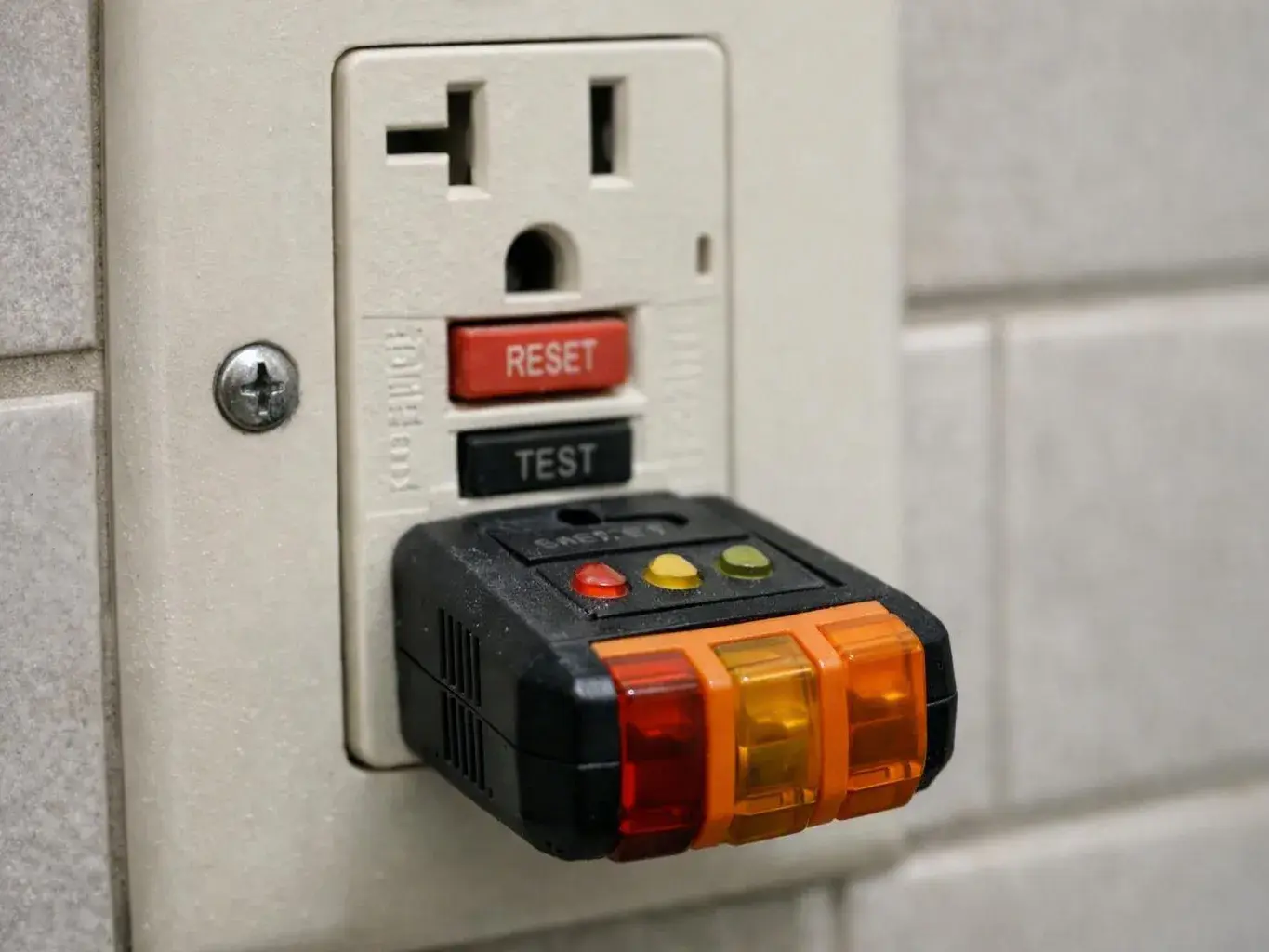
Electrical safety inspections check the service panel, wiring, outlets, switches, grounding, bonding, and circuit protection. The electrician compares the work with safety rules and records any problems. Testing may find odd voltage, unsafe connections, or damaged parts.
The electrical inspection checklist depends on the property. These steps offer a useful starting point:
Occupied homes need careful planning. Circuits must stay available while residents remain safe. Rental properties may need the same records for many units.
Commercial spaces may have large panels, emergency systems, and heavy equipment. Light industrial spaces may include motors, controls, dust, shaking, and heat. These conditions change the checklist and access needs.
Safer Circuit Protection and Overload Prevention
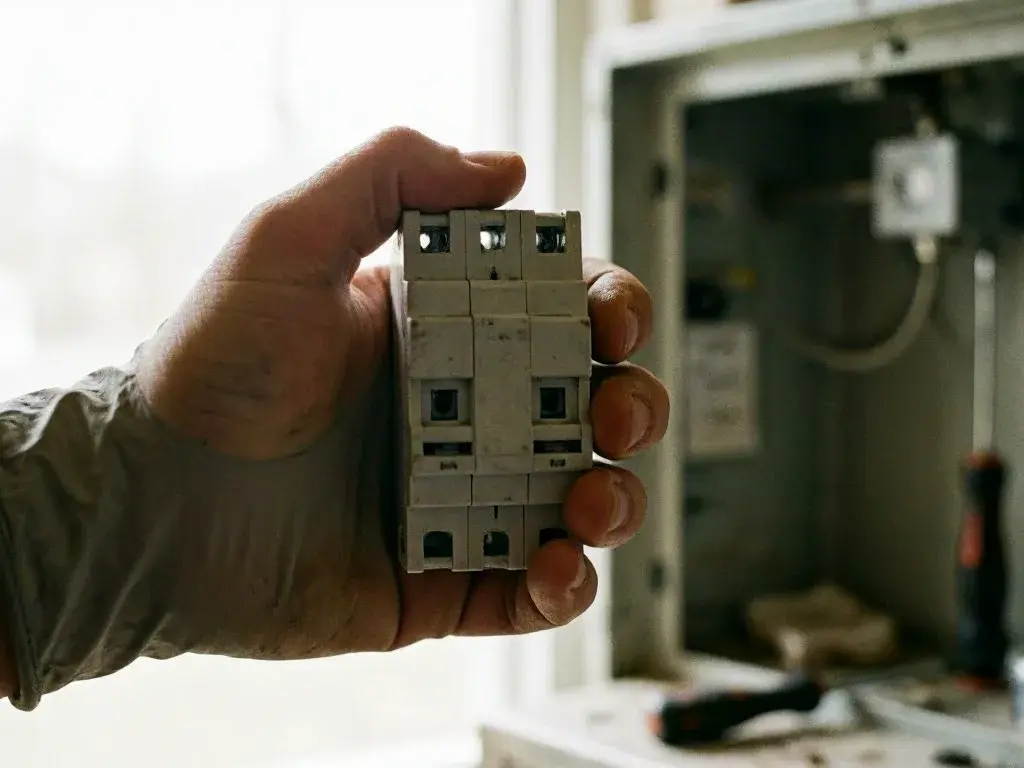
A circuit breaker or fuse stops power during an overload or short circuit. We compare it with the wire size, equipment, and expected load. A breaker that trips often may show high demand, a bad appliance, or another fault.
Never install a larger breaker without checking the wiring. That change can raise the danger.
We also check arc-fault protection when it applies. Arc-fault protection may spot dangerous arcing faster than basic overload protection. Repeated trips, warm connections, and unusual load patterns need more testing. The cause must be tested, not guessed.
Earlier Detection of Loose or Failing Connections
A loose connection can create resistance at a terminal, splice, lug, or busbar. That resistance turns electrical power into heat. Over time, the heat may damage insulation and metal parts.
A visual check may find marks. Some faults stay hidden under covers or appear only during use.
Thermal imaging electrical testing adds a safe, no-touch way to compare parts under load. A warmer connection may need testing with power off. It may also need tightening, cleaning, or replacement.
A thermal image supports an investigation. It does not prove the cause alone. A scan may cover many panels and connection points during one visit. Access and system size affect the work.
Thermal Imaging Reveals Abnormal Heat in Electrical Panels
A thermal camera shows heat patterns in an image. During infrared thermography, an electrician scans a live electrical panel. The electrician compares breakers, phases, terminals, and wires.
Unusual heat may point to an overload, poor contact, uneven demand, or a high-resistance connection. The scan works best when the system carries a useful load.
A lightly loaded panel may hide a growing problem. Airflow, sunlight, room heat, camera angle, and surface type also affect the image.
A hot plant room may make every panel look warmer. A cool home may show lower readings. That is why the electrician must compare results and consider the setting.
Our team does not treat every bright spot as an emergency. We compare the image with test results, load levels, and visible signs.
A concerning result may require power to be shut off before panel work. Thermal imaging electrical testing works best with a full inspection.
Reduced Fire Risk and Equipment Damage
Overheating can warn of an electrical fire hazard. Heat can also damage equipment before a fire starts.
A poor connection may harm insulation, breakers, terminals, motors, or controls. Finding the problem early may prevent an outage or costly repair.
Preventive maintenance may include tightening or replacing a connection. It may also include fixing wire size, airflow, load balance, insulation, or a failing part.
The right fix depends on the cause. A warm outlet in a home may need quick attention. Commercial and industrial sites may need repeated scans.
Our 24-hour electricians identify urgent electrical repairs first, helping Pittsburgh property owners address dangerous problems quickly.
An inspection report turns findings into a clear repair plan. Each finding should list the location, evidence, likely result, and next step.
This helps owners separate urgent hazards from work that can wait. Risk levels should consider live parts, heat, grounding, insulation, breaker trips, moisture, and equipment needs.
A repair may need an immediate shutdown, a quick code correction, planned replacement, or later review. Cosmetic issues should not rank with fire or shock risks.
Most small home inspections take about one to three hours. Larger commercial and industrial reviews often take longer.
These times are only planning ranges. The report should list areas that could not be checked.
Locked rooms, blocked equipment, load limits, and unsafe access may limit the inspection.
What Can an Inspection and Thermal Imaging Test Reveal?
Thermal imaging and electrical inspection methods can find hidden problems. These may include loose connections, overloaded circuits, damaged insulation, wrong wiring, and grounding defects.
Thermal imaging adds heat-based evidence around live parts. It helps the electrician check possible failures before outages or fires occur.
No single test finds every defect. A visual inspection checks physical condition. Voltage testing checks electrical potential. Continuity testing checks a complete path on an isolated circuit.
Each finding should name the test used and its limits.
| Finding or test | What it may reveal | Useful next step |
|---|---|---|
| Visual inspection | Damage, exposed parts, wrong labels, moisture, or poor work | Record the issue and check safety before repair |
| Thermal anomaly | A loose connection, overload, imbalance, or failing part | Compare similar parts and confirm with testing |
| Voltage testing | Odd voltage, lost power, imbalance, or wiring trouble | Trace the circuit safely and find the source |
| Continuity testing | An open wire, broken path, or connection issue | Repair or replace the wire or device |
| Grounding and bonding review | A missing or weak fault-current path | Plan a qualified repair and check the result |
Access and system use affect the results. A locked panel, covered busway, or nonstop process may limit the work.
An energized-load scan can help. It must use a safe position and proper protective steps.
A low load may hide a problem. High room heat may also change the image. The electrician must read the pattern with care.
In a home, the focus may include outlets, service equipment, cooking loads, and heating loads. In a rental property, repeated issues may show a larger repair need.
Commercial sites may have many panels and changing loads. Light industrial sites may need checks of motors, disconnects, controls, and nonstop equipment.
How Often Should Electrical Systems Be Inspected, and What Happens Next?
Electrical systems should be checked based on age, condition, use, and changes. Inspections help after renovations, property purchases, damage, or warning signs.
If a problem appears, the electrician records its level and explains the risk. The electrician then suggests a repair and checks the work when needed.
There is no single schedule for every building. A newer home may need a check after changes or warning signs.
An older home, rental, busy business, or industrial site may need regular maintenance. The schedule should reflect heat, moisture, shaking, dust, hours of use, and failure risks.
Renovations also create a good time for an inspection. New rooms, air-conditioning, cooking tools, electric vehicle charging, machines, and large appliances can raise demand.
An inspection can check the service, panel, breakers, grounding, bonding, and branch wiring.
After a defect is found, we normally use a clear process:
An urgent hazard may include live exposed parts, burning, arcing, severe heat, or water near electrical equipment. A missing fault path also needs quick action.
A monitorable issue may show a small heat difference without other warning signs. The electrician should record it and set a review date.
A worn label may be cosmetic if it does not affect safe use. It can be scheduled without calling it an emergency.
A qualified electrician should make the final safety decision. Owners should not remove panel covers or tighten live terminals.
They also should not bypass breakers or trust an infrared camera without proper training. A clear report helps owners make safe choices.
Questions About 24 Hour Electrician
What Does an Electrical Safety Inspection Include?
It includes the service panel, wiring, outlets, switches, grounding, bonding, circuit protection, and visible hazards. The electrician may also perform voltage or continuity tests. You’ll receive an inspection report with suggested corrections.
What Is on an Electrical Inspection Checklist?
A checklist commonly covers panels, breakers, fuses, wires, outlets, switches, grounding, bonding, and labels. It also checks moisture, damage, heat, and unsafe changes. The list depends on the building and work.
Can an Electrical Inspection Find Hidden Problems?
Yes. Testing and thermal scanning may find loose connections, overloaded circuits, odd voltage, damaged insulation, grounding defects, and hidden heat. Some areas may remain unchecked if access is unsafe or blocked.
What Does Thermal Imaging Detect in an Electrical Panel?
It detects unusual heat around live breakers, terminals, busbars, wires, and other parts. These patterns may show an overload, imbalance, loose connection, or failing part. A qualified electrician must confirm the cause.
How Often Should Electrical Systems Be Inspected?
Frequency depends on age, condition, use, load, and the building setting. Inspections help after renovations, property purchases, damage, repeated trips, burning smells, flickering, shocks, or other warning signs.
What Happens After an Electrical Inspection Finds a Problem?
The electrician records the finding, explains the risk, and sets a repair priority. The electrician then suggests a repair or added test. Urgent hazards may require the circuit or equipment to stay off.
Good inspection results matter only when they guide safe choices. Share the report, access limits, system use, and recent changes with the electrician.
For help with electrical hazards, condition checks, or thermal scanning, contact our team through the contact page.
Related Resources
Residential Rewiring Process: What to Expect in Pittsburgh, PA
residential rewiring process what to expect pittsburgh
What It CostsHow Much Does a 24-Hour Electrician Cost in Pittsburgh?
24 hour electrician cost Pittsburgh
What It CostsResidential Rewiring Cost and Timeline: What Pittsburgh Homeowners Should Expect
residential electrical rewiring cost and time Pittsburgh
What It CostsHow Much Does EV Charger Installation Cost in Pittsburgh?
EV charger installation cost Pittsburgh