How Much Does EV Charger Installation Cost in Pittsburgh?
EV charger installation cost in Pittsburgh depends on several parts. These include charger level, circuit length, panel size, location, permits, and code repairs. A basic Level 2 installation costs less near a panel with open capacity. Costs rise with long circuits, panel upgrades, outdoor trenching, old wiring, or finished walls. A licensed electrician should inspect the service first. You’ll get a written scope with separate costs for labor, upgrades, permits, and inspections.
Get a Free EstimateWhat Does EV Charger Installation Cost in Pittsburgh?
EV charger installation cost in Pittsburgh changes from home to home. The charger type, circuit length, panel capacity, and location all matter. Permits and code repairs can also change the price. A simple Level 2 job costs less than one needing trenching or old wiring repairs. An on-site check gives you a more reliable estimate.
There isn’t one safe flat rate for every home. The charger is only one part of the job. Your written estimate should list the charger, breaker, wire, conduit, labor, permit, inspection, and repairs.
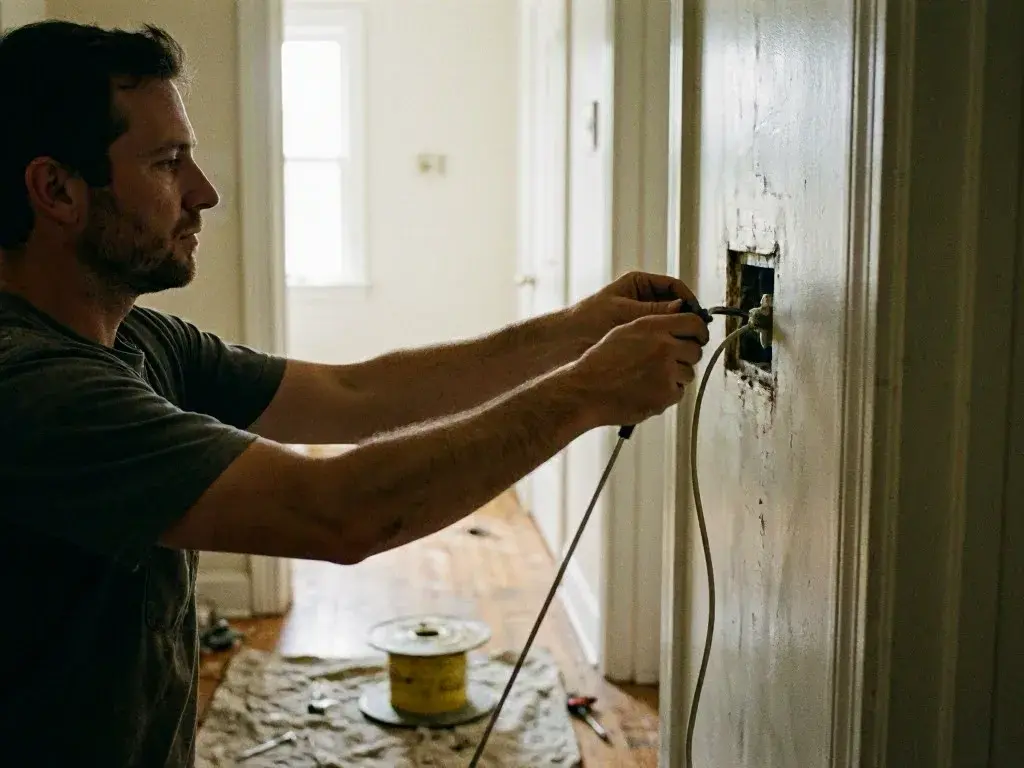
Many Pittsburgh, PA homes are older. Some have finished basements, rowhomes, or detached garages. Older panels may have little breaker space. Some homes may also have knob-and-tube remnants or aluminum wiring. These issues may need Electrical Code corrections first.
Access can change the work, too. Finished walls, narrow side paths, and long garage routes add time. Hidden wiring can make the job harder. Outdoor chargers need weather-safe parts, protected conduit, and proper grounding. The work must also handle cold, wet weather and freeze-thaw cycles.
We provide EV Charger Installation in Pittsburgh after checking the service and charger location. At Electrician Pittsburgh, we explain the work in plain language. We can also discuss 220-Volt Circuit Installation when you need a new circuit. A 24 Hour Electrician can help with an urgent safety problem. Planned charger work still needs a full check and approval.
| Project condition | How it affects the estimate |
|---|---|
| Panel has capacity and nearby mounting point | The job usually needs less routing and setup. |
| Long route to a garage or exterior wall | The job may need more wire, conduit, supports, and labor. |
| Older or damaged wiring | Safety repairs and code fixes may come first. |
How Much Does a Level 2 or 240-Volt EV Charger Installation Cost?
A Level 2 EV charger uses a 240-volt circuit. Its cost depends on the circuit route, breaker, wire, panel, charger type, and access. Hardwired and outlet-based chargers need different parts. Your electrician should price the full job, not only the charger.
The charger may connect directly to the circuit. It may also use a rated NEMA receptacle. The right choice depends on the charger instructions, power level, location, safety needs, and your preference. A dedicated circuit is often needed. The electrician must also check the steady load.
| Connection option | Typical planning issue | What the estimate should show |
|---|---|---|
| Hardwired charger | It needs a fixed connection and safe wire routing. | The estimate should show the charger connection, breaker, wire, conduit, mounting, and testing. |
| NEMA receptacle | It needs the right outlet, box, circuit, and weather cover. | The estimate should show the outlet, circuit safety parts, install method, and inspection needs. |
| Higher charging capacity | It may need larger wires or a service check. | The estimate should show the load check, charge setting, and capacity plan. |
Many easy home routes run from 20 to 60 feet. This range is only for planning. Each home is different. A long route, trench, finished wall, or detached garage can add labor and parts.
Which Factors Change the Price of EV Charger Installation?
The main EV charger installation cost factors include panel capacity, circuit length, wire size, location, and wall access. Outdoor protection, permits, inspections, and Electrical Code corrections also affect the price. Pittsburgh homes may need more work because of old panels, finished basements, detached garages, or long cable routes.
Check these items before you choose a charger. A low charger price may hide extra work. Safe connection work still costs money.
| Factor | Why it changes the cost | What to prepare |
|---|---|---|
| Electrical panel capacity | The service must support the charger and home loads. | Prepare panel photos, service size, and major load details. |
| Circuit length | Long runs need more wire, supports, and conduit. | Prepare a clear route from the panel to the charger. |
| Wire size | The charge level and route set the needed wire gauge. | Prepare the charger’s electrical details. |
| Wall access | Finished walls, ceilings, and masonry make routing harder. | Share details about framing, repairs, and open areas. |
| Outdoor installation | Wet weather and freezing need protected work. | Choose a sheltered spot with a safe conduit route. |
| Permit and inspection | Approval may add forms, scheduling, and corrections. | Prepare property and equipment details. |
Pittsburgh electrical permits and inspections belong in the project plan. The local authority reviews permit and code needs. Your written scope should say if it includes permit forms and the final inspection.
What Is Included in EV Charger Installation?
EV charger installation depends on the written scope. A full home installation starts with a load check. It ends with testing and system setup.
Typical work includes choosing the breaker, running wire and conduit, and adding a disconnect. It may also include charger mounting, grounding, bonding, labels, and testing. The electrician may prepare permit forms, too.
The scope should list items that aren’t included. These may include the charger, trench repair, wall repair, panel replacement, Electrical Code corrections, permits, or inspections. Ask about each item before work starts. This makes estimates easier to compare.
Does EV Charger Installation Require a Panel Upgrade?
An EV charger installation needs a panel upgrade only when the service can’t safely support the charger’s steady load. An electrician may use an open breaker space, add a subpanel, or install approved load management. Unsafe wiring may also need repairs. The best option depends on the panel and total home demand.
A load check reviews the main panel, service size, breakers, heat, appliances, air conditioning, and charger level. An open breaker space doesn’t prove that the service has enough power.
Some Pittsburgh homes have old panels or changed wiring. A panel upgrade may be needed if the panel is damaged, too small, crowded, or unsafe. In other cases, a subpanel or load management system may work. The equipment and setup must allow that choice.
We’ll explain why a capacity change may be needed. The estimate should list the current service, charger load, repairs, grounding, and inspection steps.
How Long Does EV Charger Installation Take?
EV charger installation time depends on the circuit route, panel, location, permits, and repairs. An easy job may take one service visit. Panel upgrades, long conduit runs, trenching, and hard wall access can take longer.
Most simple jobs need one planned visit. Panel upgrades and inspections may need more scheduling. Outdoor trenching and hidden wire repairs can also extend the work.
Five Ways to Reduce EV Charger Installation Cost
You can reduce EV charger installation cost in several safe ways. Choose a spot near the panel. Compare hardwired and outlet options. Ask about load management before choosing a panel upgrade. Clear the work area. Request an itemized estimate.
A lower price shouldn’t mean smaller wire or poor grounding. It shouldn’t mean skipped permits or unsafe work. Save money by removing needless work. Keep future power needs in mind.
Questions About 24 Hour Electrician
How Much Does EV Charger Installation Cost in Pittsburgh?
The total depends on the charger, 240-volt circuit, panel, location, weather, code repairs, permit, and inspection. A site check and written estimate give a better answer than a flat price.
Does EV Charger Installation Require a Panel Upgrade?
Not always. A load check shows if the service can support the charger’s steady load. An open breaker, subpanel, approved load system, or wiring repair may solve the issue.
How Long Does EV Charger Installation Take?
A simple job with an open route may take one service visit. Panel upgrades, trenching, finished walls, old wiring, inspections, and testing issues can add time.
What Is Included in EV Charger Installation?
Typical work includes a load check, breaker, wire, conduit, disconnect, mounting, grounding, testing, setup, and permit forms. Panel upgrades, repairs, trench work, and charger purchase may cost extra.
We can review your panel, charger, route, and local approval needs. This helps create a site-specific scope before work begins.
Related Resources
Residential Rewiring Process: What to Expect in Pittsburgh, PA
residential rewiring process what to expect pittsburgh
How It WorksEV Charger Installation Process: Step by Step
ev charger installation process step by step
Compared ToEmergency Electrician vs. Regular Electrician: Which Should You Hire?
emergency electrician vs regular electrician Pittsburgh
When You Need ItWarning Signs You Need a 24-Hour Electrician
signs you need a 24 hour electrician