
What is Copper Wiring?
Copper Wiring is an electrical conductor system that uses copper wire to carry power or signals between a source, control device, and load. Copper has low electrical resistance, bends easily, and forms reliable connections. The wiring includes solid or stranded conductors, insulation, terminations, and protective devices selected for voltage, current, installation method, and circuit conditions.
Quick Facts About Copper Wiring
Category
Electrical conductor and wiring material
Used for
Branch circuits, feeders, controls, and signal circuits
Measured by
Wire gauge, ampacity, voltage rating, and length
Common confusion
Copper-clad aluminum is not solid copper
Also called
Copper conductor wiring, Solid copper wiring
Often discussed with
Residential Rewiring, Electrical Safety Inspections
Key Takeaways About Copper Wiring
- Copper carries electrical current with low resistance and supports reliable connections.
- Wire gauge, insulation rating, voltage, and ampacity must match the circuit.
- Solid copper suits fixed wiring, while stranded copper bends more easily.
- Loose, damaged, or overloaded copper wiring can create heat and fire risk.
- Copper wiring is different from copper-clad aluminum conductors.
Understanding Copper Wiring

Copper Wiring means conductors made with copper. They usually have electrical insulation. They fit inside cable, conduit, equipment, or building assemblies. Copper carries current from a power source to a load. Current returns through a neutral or other circuit conductor. A grounding conductor provides a low-resistance path for fault current. This applies when the installation includes equipment grounding.
Related glossary terms: Wire Gauge, Voltage Drop, Overcurrent Protection.
Copper is common because it conducts electricity well. It also resists corrosion indoors. It bends without breaking when installers follow the allowed bend radius. Wiring may use a solid conductor for fixed building circuits. It may use stranded conductors for cords and control wiring. Stranded conductors also suit equipment needing repeated movement. The complete assembly includes terminals, splices, insulation, boxes, and overcurrent protection.
How Copper Wiring Works, Is Measured, or Is Used?
Current flows through the copper conductor when voltage creates an electrical difference. This difference occurs between two points. Resistance rises as a conductor gets longer. Resistance falls as the conductor gets larger. Heat develops when current exceeds the conductor's rating. Heat can also develop from higher resistance. This may happen at a loose terminal, damaged section, or poor splice. The circuit breaker or fuse must protect the conductor. It shouldn't simply match the connected appliance.
Installers select copper wiring by wire gauge, ampacity, insulation temperature rating, voltage rating, and installation method. American Wire Gauge numbers work in reverse. A lower number identifies a larger conductor. The surrounding temperature can change the permitted ampacity, so can the number of current-carrying conductors. Conduit fill and terminal ratings can also change it. A complete installation needs correctly sized junction boxes. It also needs approved connectors and secure terminations.
Residential cable often contains insulated hot conductors. It also contains a neutral conductor and a grounding conductor. The grounding conductor may be bare or insulated. The cable may run through walls, crawl spaces, attics, or conduit. Building type and local requirements affect the cable path. Electricians test for correct voltage, continuity, polarity, grounding, and insulation condition. They do this before placing a circuit in service.
Why Copper Wiring Matters?
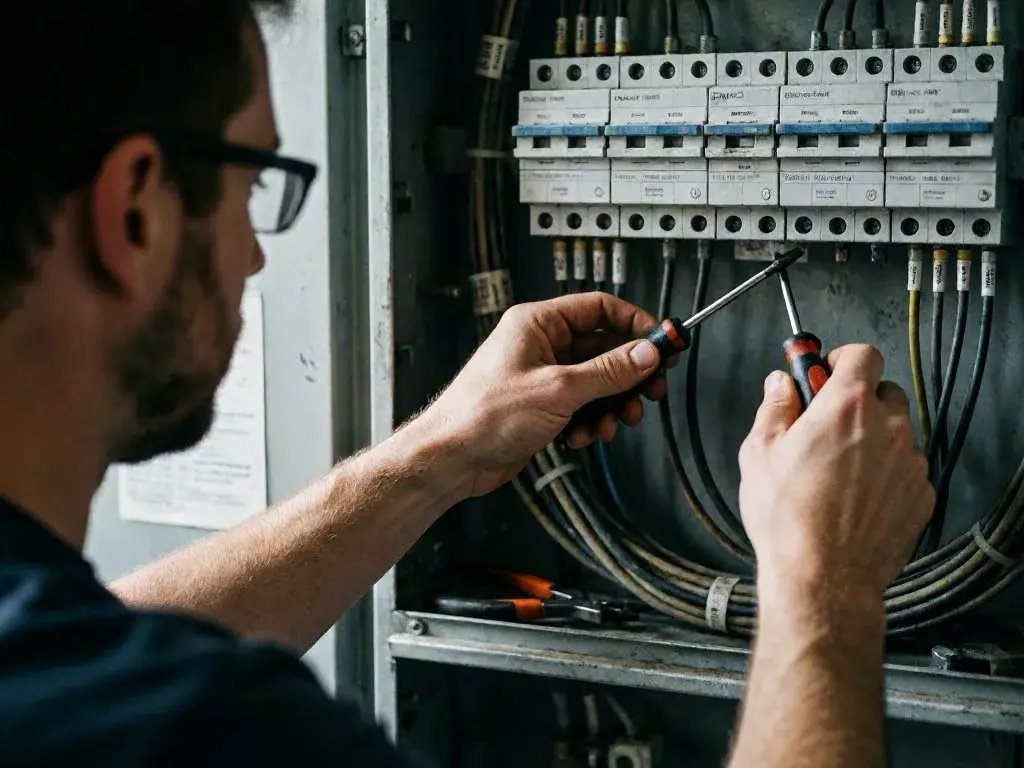
Copper wiring affects circuit capacity, voltage speed, maintenance, and safety. A conductor that's too small can heat under normal load. An excessive length can produce noticeable voltage drop at the equipment. Poor connections can become hotter than the wire itself. This happens especially at receptacles, switches, panels, and splices.
Material identification also matters during repairs. Older properties may contain aluminum wiring, mixed-metal connections, cloth insulation, or deteriorated cable. Copper-clad aluminum has an aluminum core. It also has a copper outer layer. Its terminals and installation needs differ from solid copper. A label alone doesn't prove that every circuit section uses one material.
When Copper Wiring Matters Most?
Pay close attention to copper wiring during renovations, panel changes, added circuits, equipment replacements, and fault investigations. High-load equipment may need dedicated circuits. Examples include heat pumps, electric ranges, water heaters, welders, and vehicle chargers. These circuits need carefully calculated conductor sizes. Older wiring also deserves review when insulation is brittle. Review it when terminals show heat damage or breakers trip repeatedly.
Evaluation should cover the full circuit. It shouldn't cover only an exposed wire. Check the conductor material, gauge, insulation markings, breaker size, grounding path, splice method, and measured load. In Pittsburgh, PA, cold weather and older housing stock can affect wiring. Basement moisture can also make condition checks useful. Local permits and adopted electrical codes govern many alterations.
How to Evaluate Copper Wiring?
- Confirm the conductor material by jacket markings, visible metal, and documentation rather than color alone.
- Compare wire gauge and insulation rating with the breaker size and expected circuit load.
- Inspect terminals and splices for discoloration, looseness, melted insulation, or unusual heat.
- Measure voltage at the source and load when voltage drop or poor speed is suspected.
- Check grounding, box fill, conduit fill, and cable support against the adopted electrical code.
Related Concepts Compared
Copper Wiring vs. Aluminum Wiring
Aluminum wiring uses aluminum conductors instead of copper. Aluminum weighs less and expands differently at connections, so approved terminals and installation methods are essential.
Copper Wiring vs. Copper-Clad Aluminum
Copper-clad aluminum has an aluminum core covered by copper. It is not the same as solid copper wiring and requires identification and compatible terminations.
Copper Wiring vs. Romex Cable
Romex is a trade name commonly used for nonmetallic-sheathed cable. Copper wiring describes the conductor material. While Romex describes one cable assembly that may contain copper conductors.
Expert Note
A copper conductor can look sound while its termination is unsafe. During troubleshooting, inspect the connection point, not just the visible cable. Heat discoloration, a loose terminal, or an incorrect connector often explains failures that wire replacement alone will not fix.
Common Mistakes or Myths About Copper Wiring
- Assuming thicker-looking insulation means the conductor has a higher ampacity.
- Replacing a breaker with a larger size without confirming the wire rating.
- Joining copper and aluminum conductors with ordinary wire nuts.
- Ignoring heat marks, loose terminals, or repeated breaker trips.
- Treating copper-clad aluminum as solid copper.
Copper Wiring in Practice: A Real-World Example
A homeowner adds a 20-amp kitchen circuit with copper cable. The electrician verifies the conductor gauge, installs a compatible breaker and receptacles, checks box fill, and tests polarity and grounding before energizing the circuit.
Sources & Further Reading on Copper Wiring
- National Electrical Manufacturers Association, Electrical Wire and Cable Standards
- U.S. Consumer Product Safety Commission, Electrical Safety
Related Terms
Wire Gauge
Wire Gauge is a standardized measurement of a conductor’s diameter and electrical capacity. The American Wire…
Voltage Drop
Voltage Drop is the reduction in electrical voltage that occurs as current travels through a conductor…
Overcurrent Protection
Overcurrent Protection is a safety method that limits electrical current when a circuit carries more amperage…
Electrical Grounding
Electrical Grounding is the intentional connection of an electrical system or equipment to earth through a…
Electrician Pittsburgh
Have Questions About Copper Wiring?
Contact Electrician Pittsburgh for practical guidance on Copper Wiring and related 24 hour electrician work in Pittsburgh.