Does Your Home Need Rewiring? Warning Signs to Look For
A house may need rewiring when its electrical system shows safety problems. Warning signs include burning smells, scorch marks, repeated trips, flickering lights, and damaged insulation. Exposed wires and electrical shocks also need quick attention. Two-prong outlets can show older wiring. They don't prove that rewiring is needed. An electrical safety inspection can find old cable, grounding faults, overloaded circuits, missing AFCI protection, and code problems. Stop using damaged equipment. Contact a qualified electrician when warning signs appear. A professional can tell you if you need repairs, code work, or complete residential rewiring.
Get a Free Estimate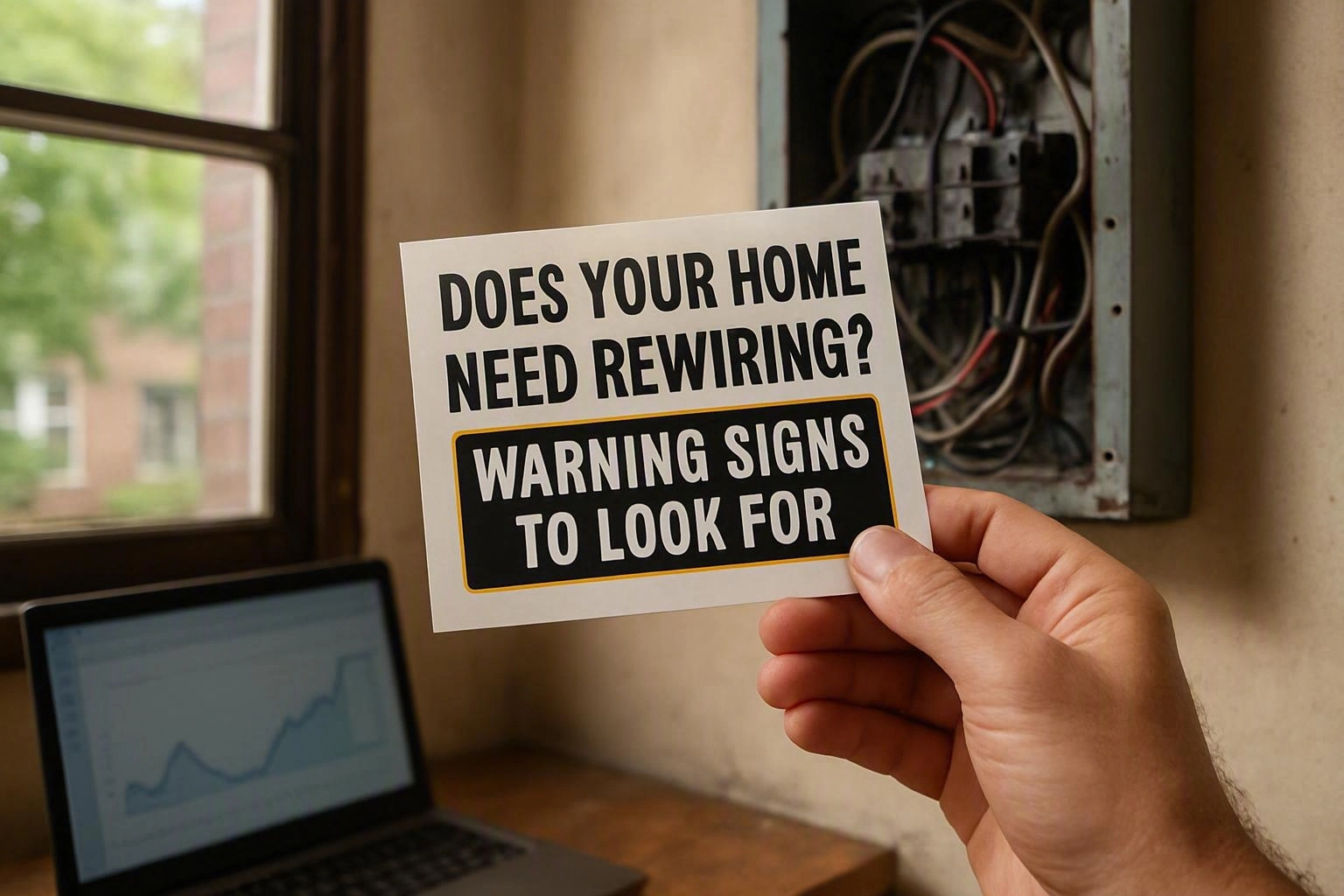
At Electrician Pittsburgh, we help homeowners understand their electrical needs. A problem may need a small repair, an electrical upgrade, or home electrical rewiring. Heat, odors, noise, or repeated power loss need prompt attention.
What Are the Signs Your House Needs Rewiring?
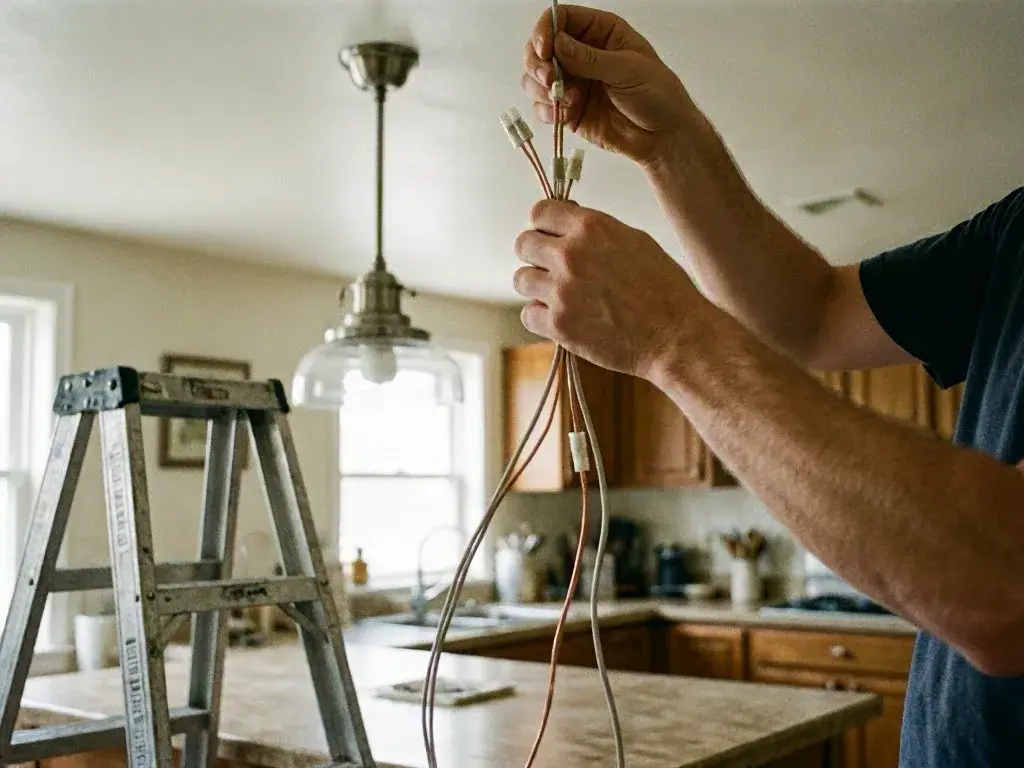
House electrical wiring may need rewiring when it causes burning smells, scorch marks, or repeated breaker trips. Flickering lights, warm outlets, damaged insulation, and exposed conductors also raise concern. Electrical shocks and low power can signal loose connections, old cable, overloaded circuits, or grounding faults.
One sign doesn't always mean the whole home needs new cable. Several signs together can show a larger problem. Use this list to spot risks. It can't replace electrical testing.
Some faults hide inside walls, ceilings, or service equipment. We may suggest repairs, circuit rewiring, or new electrical wiring. Our advice depends on the risk we find. Property age alone doesn't decide the work.
How Can You Tell if Old House Wiring Is Unsafe?
Old house wiring may be unsafe when insulation is brittle, damaged, or hot. Risk also rises when circuits lack grounding. Outdated wiring may not support modern appliances. Knob-and-tube, cloth-insulated, and some aluminum wiring need careful checks. They don't always need automatic replacement. An electrical safety inspection can find the real risk.
Knob-and-tube wiring may lack the ground wire used by modern devices. Cloth-insulated cable can dry out and break down. Aluminum wiring needs special connections. Its properties differ from copper. Don't judge these systems by looks alone.
Look for brittle covering, loose connections, and unusual heat. Check if the panel lacks space or modern safety devices. Also think about how you use the home now. Older homes may now power air conditioning, heating, cooking tools, washers, chargers, and office gear.
Older homes don't always need whole-house rewiring. A qualified electrician can trace circuits and test voltage. They can check grounding and accessible connections. Sometimes, code fixes or new circuits solve the issue. Other homes need new cloth-insulated wiring or wider repairs.
Can Flickering Lights Mean a House Needs Rewiring?
Flickering lights can mean a home needs electrical work. They don't prove that complete rewiring is needed. A loose connection, bad lamp, overloaded circuit, voltage change, or service problem can cause flickering.
Notice when the flicker starts. One light may have a loose bulb or fitting. Several lights changing together may point to a supply or circuit issue. Heat, buzzing, burning smells, or breaker trips need prompt attention.
Don't open a switch box or panel. We can test the lighting circuit and service equipment. This helps us find the right repair.
Do Two-Prong Outlets Mean Your House Needs Rewiring?
A two-prong outlet often shows an older grounding setup. It doesn't mean the whole house needs rewiring. Some older circuits lack a ground wire. Others have grounding that isn't connected correctly.
Don't replace a two-prong outlet with a three-prong outlet just to fit a modern plug. A three-prong outlet needs a tested ground path. It may also need ground-fault protection. A polarized outlet keeps hot and neutral sides in the right place. Polarization isn't the same as grounding.
An electrician can test the circuit and check the ground. They can suggest a grounded outlet, ground-fault protection, a new circuit, or wider repairs. This helps prevent a false sense of safety.
When Is Residential Rewiring Necessary?
Residential rewiring is necessary when wiring creates an ongoing fire or shock risk. It may also be needed when wiring can't support home power use. Missing grounding, weak safety devices, and many code problems can also require rewiring. An inspection can separate full rewiring from smaller repairs.
Full work may help when insulation fails across many circuits. It may also help when connections keep overheating. Damaged wires across the home can create more risk. Renovations may uncover unsafe cable or past code problems.
Not every older home needs full replacement. One circuit may need repair. A receptacle may need correction. An appliance may need its own circuit. An electrical panel upgrade may add space and safety devices.
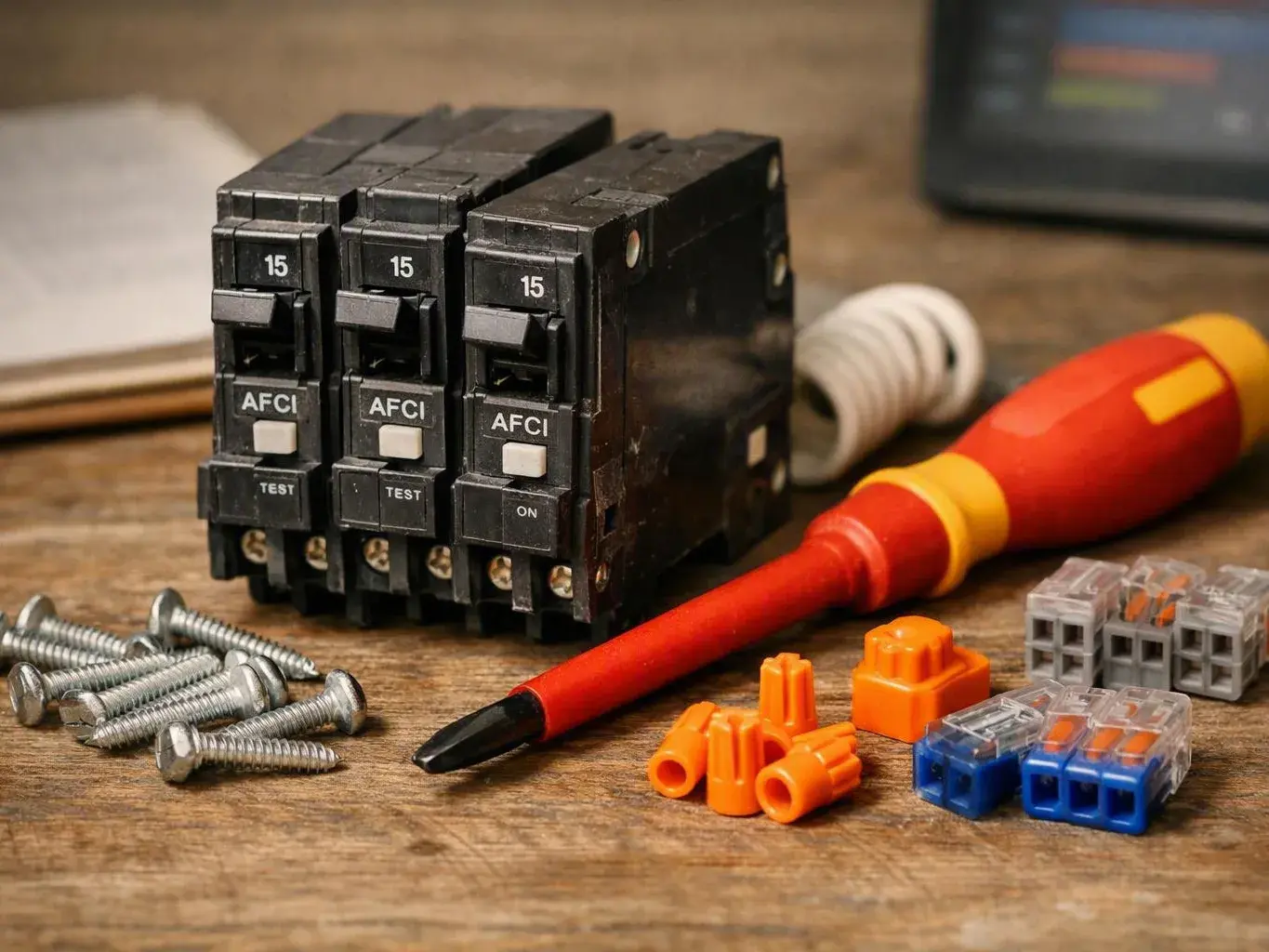
AFCI protection can lower the risk from arc faults. An arc fault is an unsafe electrical spark. AFCI protection doesn't fix damaged or hot cable. The right plan depends on test results and access.
A home check may cover the panel, outlets, and lighting circuits. It may also cover grounding, branch wiring, and large appliances. Findings usually fall into urgent hazards, needed repairs, and future upgrades.
We can explain what rewiring a house means for your home. It may involve one section, several circuits, or the whole house.
Homeowners considering Residential Rewiring in Pittsburgh should ask for a clear work plan. Ask for an electrical inspection report, too. Decisions should follow found hazards and tested capacity. Property age alone shouldn't decide the work.
Can You Inspect Old Wiring Yourself or Should You Hire an Electrician?
A homeowner can record visible warning signs and problem areas. A professional electrician should test circuits and inspect hidden wiring. They should also check grounding and fire risks. Electrical work may stay live inside walls. It needs proper training and safety steps.
You can watch conditions from a safe place. Note which breaker trips. Unplug damaged equipment. Take photos without removing covers. Don't inspect exposed wires, panel interiors, or live circuits yourself. Turning off one breaker may not make every wire safe.
| Factor | DIY | Professional |
|---|---|---|
| What you can do | Record odors, heat, damage, sounds, and breaker activity from a safe position. | Inspect accessible equipment and plan safe testing. |
| Electrical testing | Avoid testing inside outlets, switches, or the panel. | Test voltage, continuity, grounding, polarity, and safety devices with proper tools. |
| Hidden wiring | Can't reliably check cable inside walls or ceilings. | Trace circuits and check hidden wiring risks. |
| Safety control | Don't remove covers or assume a circuit is dead. | Use safe shutoff steps, checks, safety gear, and controlled repairs. |
| Result | A list of symptoms and affected locations. | A diagnosis, risk check, and repair plan. |
A professional review matters after a shock, arc, water exposure, or burning smell. Our team can explain the danger in plain language. We can also separate urgent work from routine code fixes.
What Should You Do if Your Home Shows Rewiring Warning Signs?
Stop using damaged outlets, switches, cords, or fixtures. Arrange an electrical safety inspection when warning signs appear. Don't remove covers or make live repairs. An electrician can shut off unsafe circuits and find the cause. They can then suggest repairs or residential rewiring.
Take these steps while waiting for help:
Call emergency help for smoke, flames, severe arcing, or a lasting burning smell. Leave the area if needed. Contact emergency services. For urgent electrical faults without fire, a 24 Hour Electrician may help make the system safe. Repairs should still be done by a qualified professional.
Contact our team through our contact page to discuss an inspection. We can help you choose a safe next step. Old parts don't always need full replacement.
Questions About 24 Hour Electrician
What Are the Signs a House Needs Rewiring?
Common signs include burning smells, scorch marks, warm outlets, flickering lights, exposed wires, damaged insulation, repeated breaker trips, shocks, and too few circuits. These signs may show a hazard. Professional testing can confirm the needed work.
How Can I Tell if Old House Wiring Is Unsafe?
Old wiring may be unsafe when insulation is brittle or damaged. Risk also rises when connections overheat or circuits lack grounding. Knob-and-tube, cloth-insulated cable, and aluminum wiring need careful checks. An electrician should test the system before replacement.
Can Flickering Lights Mean a House Needs Rewiring?
Yes, flickering lights can point to a loose connection, voltage change, overloaded circuit, or service problem. They don't prove that full rewiring is needed. Flickering with heat, buzzing, burning odors, or trips needs prompt help.
Do Two-Prong Outlets Mean My House Needs Rewiring?
No. A two-prong outlet often shows an older circuit without a ground wire. It doesn't automatically require whole-house rewiring. An electrician should test the circuit before adding a three-prong outlet.
When Is Residential Rewiring Necessary?
Residential rewiring is needed when wiring creates a lasting fire or shock risk. It may also be needed when damage is widespread or power needs exceed safe capacity. An inspection can show the right fix.
Don't wait for a fire hazard before acting. A qualified electrician can check the system and explain the results. They can help you plan safe residential electrical work.
Related Resources
Residential Rewiring Process: What to Expect in Pittsburgh, PA
residential rewiring process what to expect pittsburgh
What It CostsHow Much Does a 24-Hour Electrician Cost in Pittsburgh?
24 hour electrician cost Pittsburgh
What It CostsResidential Rewiring Cost and Timeline: What Pittsburgh Homeowners Should Expect
residential electrical rewiring cost and time Pittsburgh
What It CostsHow Much Does EV Charger Installation Cost in Pittsburgh?
EV charger installation cost Pittsburgh